

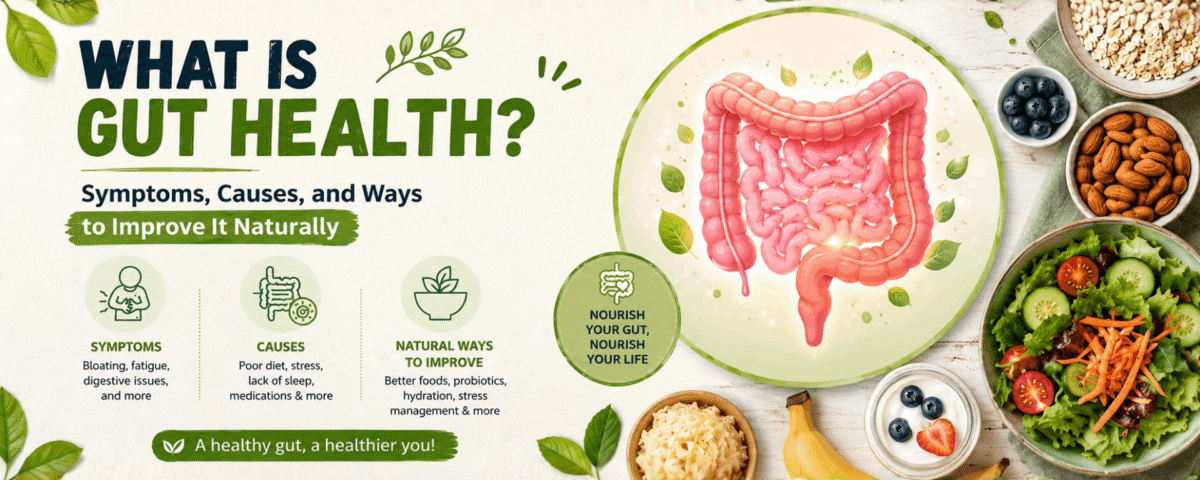
Gut health is basically how well your digestive system is working and how balanced the tiny organisms living inside your intestines are. These microorganisms together are called the gut microbiome, and they play a much bigger role in your health than most people realize.
Your gut is not just about digesting food. It is closely linked to your immunity, energy levels, mental clarity, mood, skin, and even how your body handles inflammation. That is why when gut health is disturbed, symptoms often show up in unexpected ways like fatigue, brain fog, skin issues, or frequent illness.
Modern lifestyle habits such as processed foods, stress, lack of sleep, and unnecessary antibiotics can slowly disturb this internal balance. The good news is that the gut is very responsive, and small daily changes can gradually restore it.
Want to understand your gut health beyond the symptoms?
Every person's gut microbiome is unique. If you're experiencing ongoing digestive issues, fatigue, bloating, or unexplained health concerns, a Microbiome Test can help identify the balance of bacteria in your gut and provide personalized insights.
Learn more about our Microbiome Testing
Gut health simply means how well your digestive system is functioning and how balanced your internal microbial ecosystem is.
Inside your gut lives a vast community of trillions of microbes, collectively called the gut microbiome. Think of it like a hidden organ that works around the clock to support digestion, immunity, and even brain function.
When this system is in balance:
When it is out of balance, the body starts sending signals through different symptoms.
The gut microbiome is made up of bacteria, viruses, fungi, and other microorganisms living mainly in the large intestine. Far from being harmful, many of these microbes are essential for good health.
They help break down food, especially fiber, produce important nutrients, and support your immune system. Some even help regulate brain chemicals that affect mood and focus. In simple terms, your microbiome is like a support system that influences almost every major function in your body.
Gut bacteria are not passive passengers-they are active participants in your health. They help:
When these bacteria are balanced, your body functions more efficiently. When they are not, imbalances can show up in many different ways.
Gut health is important because it acts like the foundation of overall health. When the gut is strong, many other systems in the body work better too.
A healthy gut helps your body break down food properly and absorb nutrients efficiently. You feel lighter, less bloated, and more regular. When things go off balance, digestion becomes unpredictable-bloating, gas, constipation, or loose stools may become common.
A large part of your immune system is located in your gut. The gut acts like a protective barrier between the outside world and your bloodstream.
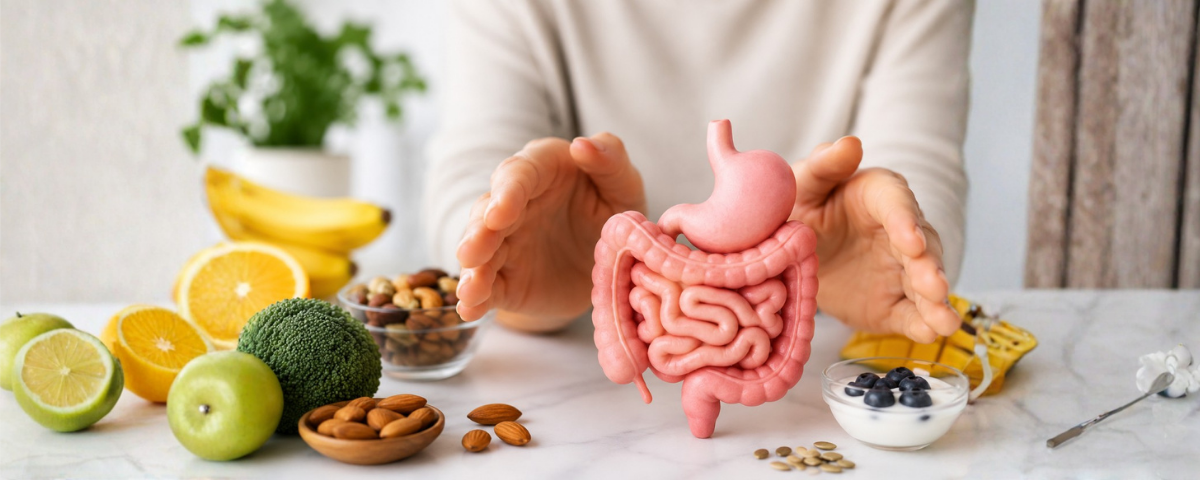 When gut health is strong:
Your gut and brain are constantly communicating through what is known as the gut–brain axis.
Gut microbes influence brain chemicals that affect how you feel, think, and respond to stress. That is why gut imbalance is often linked with anxiety, low mood, irritability, or mental fatigue.
Skin health often reflects what is happening inside the body. When the gut is inflamed or imbalanced, it can show up as acne, eczema, rashes, or dull skin.
Your body often gives early signals when your gut is not functioning well. These signs may not always seem connected, but they often are.
Gut imbalance usually develops slowly over time due to daily habits.
The encouraging part is that the gut responds well to consistent lifestyle changes.
Certain foods naturally support a healthier gut environment.
Some foods, when consumed regularly, can disturb gut balance:
Reducing these helps the gut recover naturally over time.
Diet is only one piece of the puzzle. Combining healthy nutrition with personalized probiotic support can help restore and maintain a balanced gut microbiome over time.
Discover Personalized Probiotics for long-term gut support.
If digestive symptoms are ongoing or severe, it is important to seek medical advice. Watch for:
These may need proper clinical evaluation.
1. How do I know if my gut is healthy?
A healthy gut usually feels calm and predictable, with regular digestion, stable energy, minimal bloating, and overall comfort after meals.
2. Can gut health affect mental health?
Yes. The gut and brain are deeply connected, and gut imbalance can influence mood, stress levels, and mental clarity.
3. What foods heal the gut?
A variety of fiber-rich plant foods, fermented foods, and whole natural foods support gradual gut healing.
4. How long does it take to improve gut health?
Some changes can be noticed within a few weeks, but deeper improvements usually take a few months of consistency.
5. Are probiotics necessary?
They can help in certain situations, but long-term gut health depends more on diet, fiber, sleep, and stress management.
6. What does gut health mean?
Gut health refers to the balance of healthy bacteria and the proper functioning of your digestive system.
7. How can I improve my gut health?
Eat more fiber-rich foods, probiotics, fruits, vegetables, stay hydrated, exercise regularly, and reduce processed foods.
8. What are signs of bad gut health?
Common signs include bloating, gas, constipation, diarrhea, stomach discomfort, fatigue, and frequent illness.
9. How do I check my gut health?
Monitor your digestion, bowel habits, energy levels, and consult a healthcare professional if symptoms persist. They may recommend tests if needed.
Your gut is constantly responding to how you eat, think, sleep, and live. When you support it with simple, consistent habits, it slowly becomes more balanced and resilient.
Small daily choices-more whole foods, less stress, better sleep, and regular movement-can quietly transform your gut health over time and improve your overall wellbeing.