


An unhealthy gut can affect far more than your digestion. Your gut is home to trillions of microorganisms collectively known as the gut microbiome, a complex ecosystem of bacteria, fungi, and other microbes that influence digestion, immunity, metabolism, hormones, and even mental health.
When the gut microbiome is balanced, it helps support optimal digestive health, nutrient absorption, and overall wellbeing. However, modern lifestyles, processed foods, stress, poor sleep, medications, and environmental exposures can disrupt this delicate ecosystem, leading to a wide range of gut health symptoms.
Many people live with bloating, constipation, fatigue, food intolerances, skin issues, and mood changes for years without realizing that these symptoms may be connected to their gut.
Unfortunately, these warning signs are often dismissed as normal or treated individually rather than addressing the root cause.
Understanding the signs of poor gut health is the first step toward restoring balance. By identifying the underlying causes and adopting a personalized approach, it is possible to support your gut microbiome and improve your overall health naturally.
Wondering What’s Really Causing Your Gut Symptoms?
Symptoms like bloating, fatigue, food sensitivities, or irregular digestion often have different underlying causes. Instead of relying on guesswork, understanding your unique gut microbiome can help you make more informed decisions about your health.Symptoms like bloating, fatigue, food sensitivities, or irregular digestion often have different underlying causes. Instead of relying on guesswork, understanding your unique gut microbiome can help you make more informed decisions about your health.
Learn how a comprehensive Microbiome Test can provide personalized insights into your gut health.
Gut health refers to the proper functioning of the digestive system and the balance of microorganisms living within it. A healthy gut efficiently digests food, absorbs nutrients, supports immunity, and communicates with the brain through the gut-brain axis.
The gut microbiome performs numerous essential functions:
A diverse microbiome is generally associated with better health outcomes.

The gut is often referred to as the foundation of health because it influences multiple systems throughout the body.
Research increasingly links gut health to:
When the microbiome becomes imbalanced, symptoms may appear far beyond the digestive tract.
Persistent bloating is one of the most common signs of poor gut health. While occasional bloating is normal, chronic bloating may indicate microbial imbalance, food intolerances, poor digestion, or excessive fermentation in the gut.
An overgrowth of certain microbes can produce excess gas, leading to discomfort, abdominal distension, and digestive distress.
Healthy bowel movements are a key indicator of digestive health. Chronic constipation, diarrhea, or alternating bowel habits may signal:
Many people normalize constipation despite suffering for years. However, persistent bowel irregularities should never be ignored.
Do certain foods leave you feeling bloated, uncomfortable, or fatigued?
Food intolerances often develop when the gut lining becomes compromised or when microbial imbalances affect digestion.
Common triggers include:
Many people eliminate foods one by one without understanding the underlying cause. Since gut imbalances can vary from person to person, identifying your microbiome may help explain why certain foods trigger symptoms.
Explore our Gut Microbiome Testing to better understand your digestive health.
The gut plays a crucial role in nutrient absorption and energy production. An unhealthy gut may contribute to:
Inflammation originating in the gut can also influence cognitive function through the gut-brain axis.
Certain gut microbes thrive on sugar and may influence food cravings. A disrupted microbiome can increase cravings for:
These foods further fuel dysbiosis, creating a vicious cycle.
Your skin often reflects what is happening inside your gut. Microbiome imbalances and chronic inflammation may contribute to:
Approximately 70% of immune activity is associated with the gut. Poor gut health may increase susceptibility to:
Persistent bad breath may not always originate in the mouth. Digestive imbalances, reflux, poor digestion, and microbial overgrowth can contribute to unpleasant breath odors.
The gut microbiome influences:
Microbial imbalances may contribute to unexplained weight gain or difficulty maintaining a healthy weight.
The gut and brain communicate continuously through the gut-brain axis.
The microbiome influences the production of neurotransmitters such as serotonin and GABA, which affect mood and emotional well-being.
Emerging research suggests that gut health may play an important role in anxiety, stress resilience, and overall mental health.

Fiber is often recommended for gut health, but it is not suitable for everyone at every stage.
People with IBS, severe bloating, constipation, SIBO, IBD or significant dysbiosis may experience worsening symptoms when increasing fiber too quickly.
A personalized approach is often more effective.
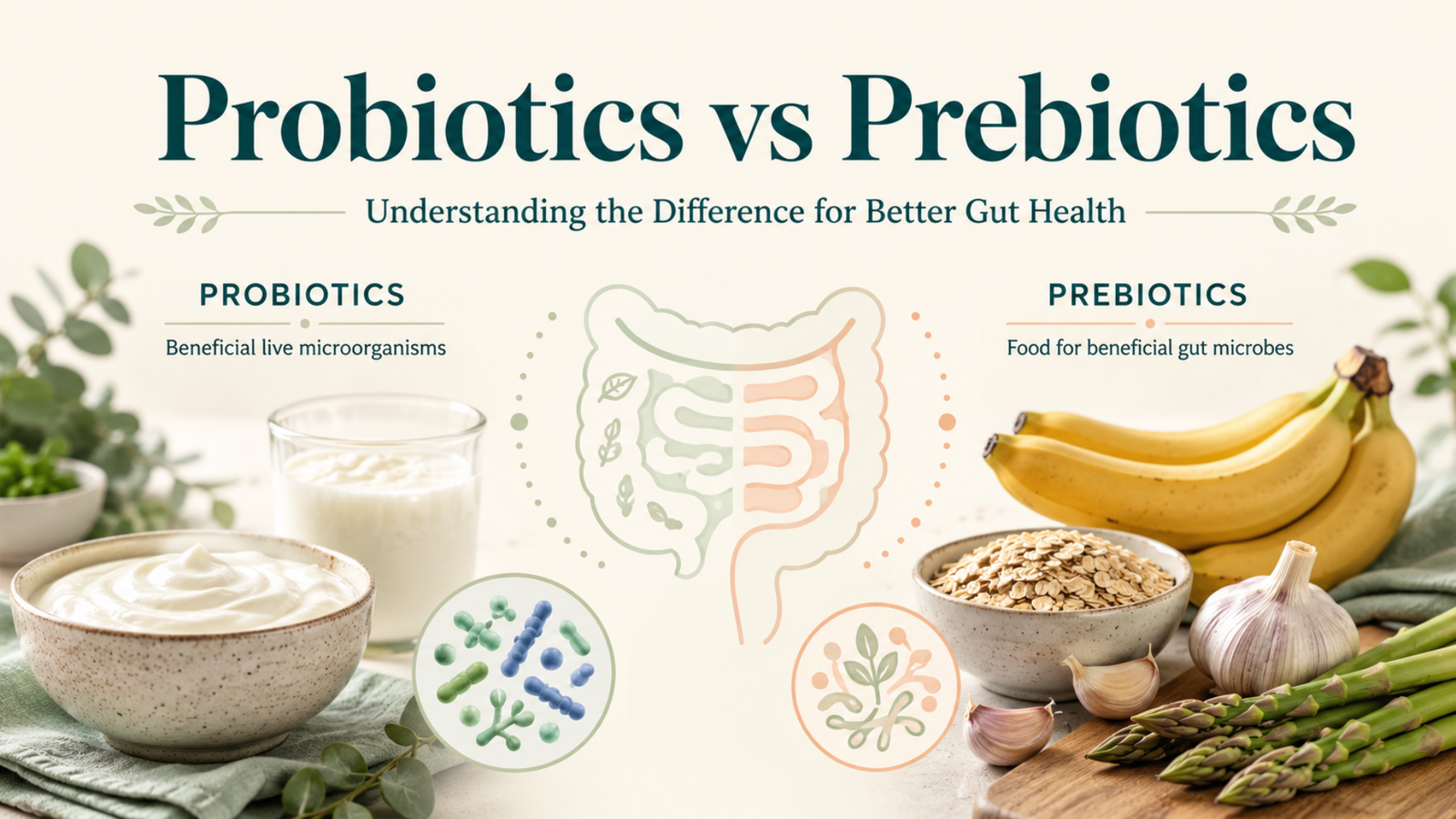
Fermented foods such as yogurt, kefir, kimchi, sauerkraut, and traditional fermented foods may help support microbial diversity.
However, some individuals with digestive disorders may require personalized probiotic strategies.
While fermented foods can support digestive health, they don’t provide the same bacterial strains for everyone. Since every gut microbiome is unique, a personalized probiotic approach may be more effective than choosing supplements at random.
Learn about Personalized Probiotics designed to match your gut health needs.
Adequate hydration supports digestion, bowel regularity, and overall gut function.
Meditation, mindfulness, yoga, spending time in nature, and regular relaxation practices can positively influence the gut-brain axis.
Physical activity supports gut motility, microbial diversity, metabolic health, and overall well-being.
Quality sleep helps regulate inflammation, hormones, and microbiome balance.
If you’ve been experiencing digestive discomfort, bloating, constipation, fatigue, food intolerances or recurring gut symptoms, understanding your gut microbiome is often the first step toward a more personalized wellness plan.
Our Microbiome Testing provides valuable insights into your gut bacteria, helping you make informed decisions about nutrition, probiotics, and long-term gut health.
1. How do I know if my gut is unhealthy?
Common signs of an unhealthy gut include bloating, gas, constipation, diarrhea, food sensitivities, fatigue, skin issues, and frequent illness. Persistent symptoms may indicate an imbalance in your gut microbiome.
2. Can poor gut health cause fatigue?
Yes. Poor gut health can affect nutrient absorption and increase inflammation, which may lead to low energy levels, tiredness, and brain fog.
3. What foods heal the gut?
Gut-friendly foods include yogurt, kefir, kimchi, sauerkraut, fruits, vegetables, whole grains, nuts, seeds, and other fiber-rich foods that support healthy gut bacteria.
4. How long does gut healing take?
Gut healing varies from person to person. Some people notice improvements within a few weeks, while others may require several months of consistent dietary and lifestyle changes.
5. Are probiotics good for everyone?
Probiotics can benefit many people, but they are not suitable for everyone. It’s best to choose the right probiotic strain and consult a healthcare professional if you have underlying health conditions.
An unhealthy gut can manifest through digestive symptoms, fatigue, skin issues, mood changes, and many other health challenges. The good news is that the gut microbiome is dynamic and can often be improved through targeted dietary, lifestyle, and microbiome-supportive strategies.
Healing takes time, consistency, and a personalized approach. By understanding the signs of poor gut health and addressing the underlying causes, you can begin building a healthier gut and a healthier future.