
The human body is home to trillions of microorganisms that quietly perform essential tasks every day. Among them, the microorganisms living in the digestive tract—collectively known as the gut microbiome—have emerged as one of the most exciting areas of modern medical research. Over the past two decades, scientists have discovered that these microscopic organisms influence far more than digestion. They communicate with the immune system, produce important nutrients, regulate metabolism, influence hormones, and even affect brain function and emotional well-being.
The gut microbiome consists of bacteria, fungi, viruses, archaea, and other microorganisms, with bacteria representing the largest and most extensively studied group. Each person carries a unique microbial fingerprint shaped by genetics, birth, diet, environment, lifestyle, medications, and age.
Because of its enormous influence on multiple organs and physiological processes, researchers often refer to the gut microbiome as the body's "hidden organ." Although it weighs only about 1–2 kilograms, its metabolic activity rivals that of major organs and contains millions of genes—far more than the human genome itself.
In this article, you will learn how gut bacteria develop throughout life, their biological functions, their influence on various body systems, factors that shape the microbiome, diseases linked with microbial imbalance, and practical evidence-based strategies for maintaining a healthy and diverse gut ecosystem.
Every gut microbiome is a unique fingerprint, including yours.
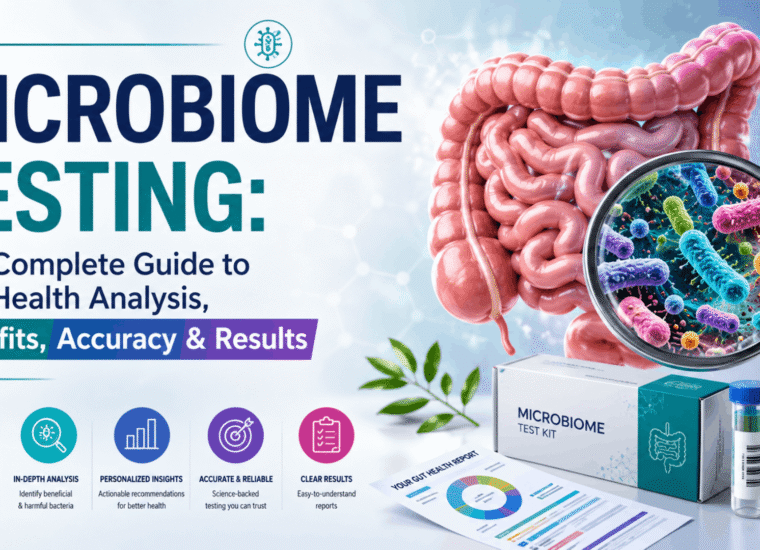
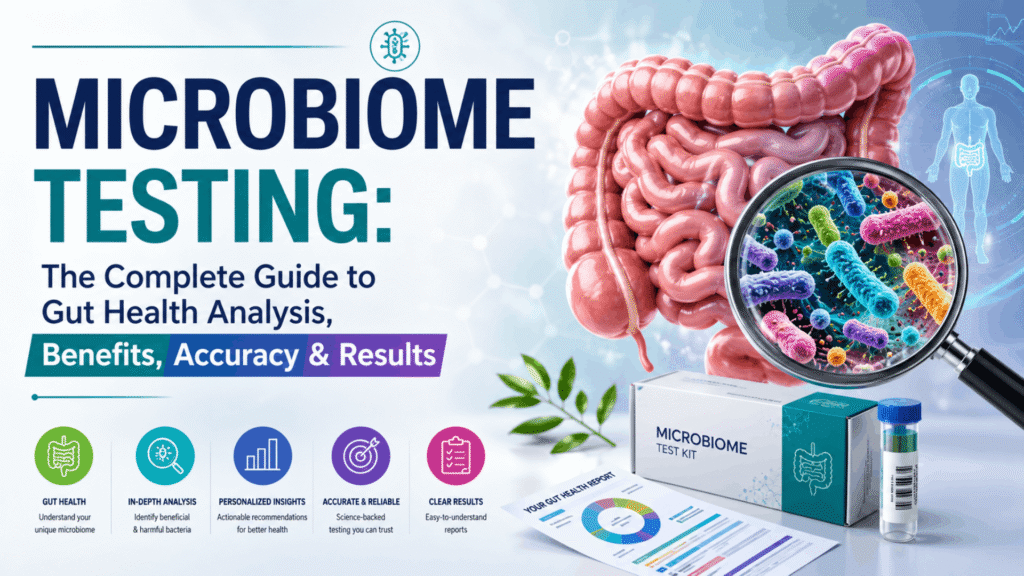
Curious what your own trillions of gut bacteria look like?
Explore Our Gut Microbiome Test →
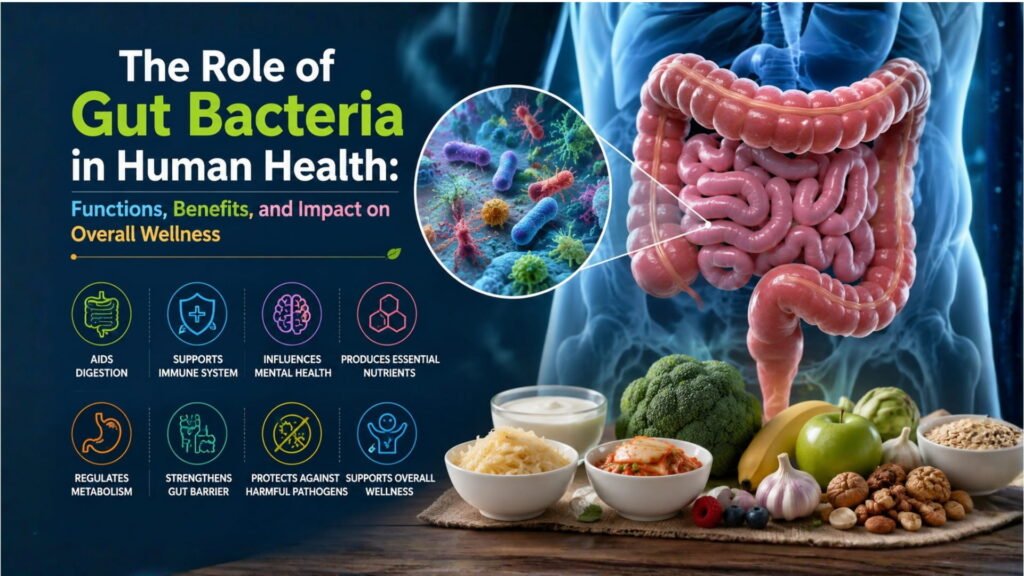
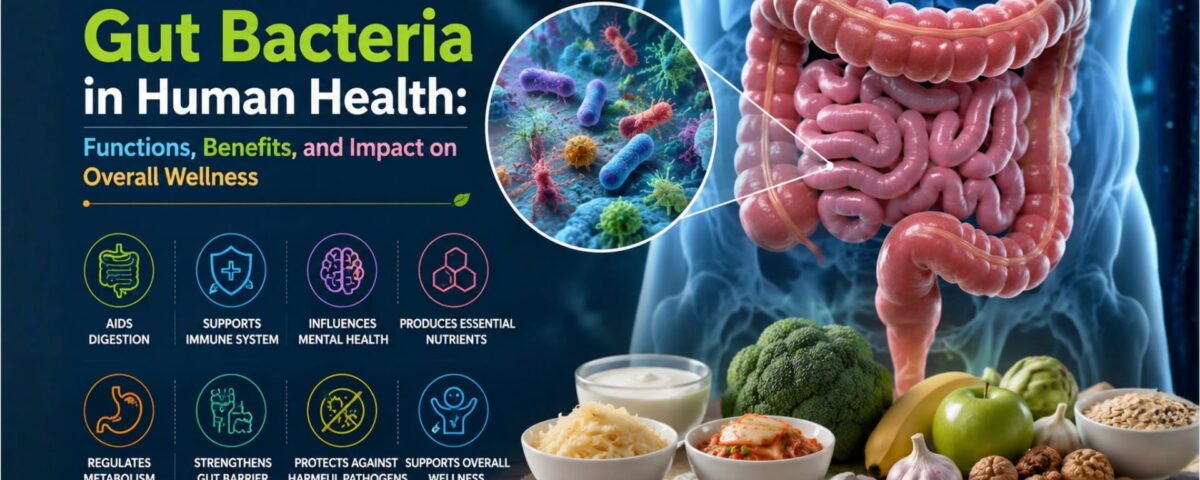
Gut bacteria are microscopic living organisms that reside primarily in the large intestine. While many people associate bacteria with disease, the vast majority of gut bacteria are either beneficial or harmless. They help digest food, produce vitamins, protect against harmful microbes, regulate immunity, and maintain intestinal health.
Rather than acting alone, these bacteria exist as an interconnected community called the gut microbiome, where different species work together to maintain balance.
The adult gastrointestinal tract contains approximately 38 trillion microorganisms, comparable to the total number of human cells in the body.
The microbiome includes:
The dominant members of the gut microbiome responsible for digestion, metabolism, and immune regulation.
Present in smaller numbers, fungi contribute to microbial balance and immune interactions.
Most gut viruses infect bacteria rather than human cells and help regulate bacterial populations.
These unique microorganisms assist in methane production and influence intestinal gas metabolism.
Microbial colonization begins at birth and continues throughout life.
Mode of birth, breastfeeding, antibiotic exposure, and early nutrition shape the infant microbiome.
Dietary diversification leads to rapid increases in microbial diversity.
The microbiome becomes relatively stable but remains highly responsive to diet and lifestyle.
Microbial diversity often declines with age, increasing susceptibility to inflammation and chronic disease.
A healthy gut is characterized by high microbial diversity rather than the dominance of a single bacterial species.
Greater diversity is generally associated with:
Beneficial bacteria perform numerous health-promoting functions.
Examples include:
These organisms help produce short-chain fatty acids, maintain the gut barrier, regulate immunity, and suppress pathogens.
Certain bacteria normally coexist peacefully but may become harmful if the microbiome becomes disrupted.
Examples include:
Pathogenic bacteria may cause infections or disease when they overgrow.
Examples include:
The microbiome is constantly shaped by:
Humans cannot digest many plant fibers on their own. Gut bacteria ferment these fibers into compounds that nourish both the intestine and the rest of the body.
Without these microbes, much of the nutritional value of plant foods would be lost.
Healthy gut bacteria improve absorption of:
They also enhance intestinal function, allowing nutrients to cross into the bloodstream more efficiently.
Fermentation of dietary fiber produces three major SCFAs:
Primary fuel for colon cells.
Supports intestinal barrier integrity.
Reduces inflammation.
Participates in cholesterol metabolism and energy production.
Supports liver metabolism and blood glucose regulation.
SCFAs are among the most beneficial products generated by the gut microbiome.
Gut bacteria synthesize several vitamins including:
Although dietary intake remains essential, microbial production contributes to overall vitamin availability.
The intestinal lining acts as a selective barrier that allows nutrients to enter while preventing toxins and pathogens from crossing into the bloodstream.
Beneficial bacteria:
The microbiome influences intestinal contractions that move food through the digestive tract.
Balanced microbial communities help promote regular bowel movements while reducing constipation.
Approximately 70% of the body's immune cells are associated with the gastrointestinal tract.
Gut bacteria help educate the immune system from infancy, teaching it to distinguish harmless substances from dangerous pathogens.
Beneficial microbes defend the intestine by:
Healthy bacteria help regulate inflammatory pathways and prevent chronic low-grade inflammation associated with obesity, diabetes, cardiovascular disease, and autoimmune disorders.
A balanced microbiome promotes immune tolerance, reducing inappropriate immune responses against harmless foods or the body's own tissues.
Your immune system takes its cues from your gut.
If you're dealing with frequent colds, allergies, or inflammation, it might be worth looking deeper.
Book a Free Consult with our gut health experts.
The microbiome assists digestion by breaking down dietary fiber, resistant starches, and other complex carbohydrates.
Fiber-fermenting bacteria increase stool bulk, improve water retention, and stimulate intestinal movement.
A balanced microbiome helps optimize fermentation patterns, reducing excessive gas production and bloating.
Healthy microbial communities promote efficient intestinal transit and stool consistency.
Certain bacteria produce enzymes that assist in breaking down carbohydrates, proteins, and plant compounds.
The gut and brain communicate continuously through the gut-brain axis, involving the nervous system, immune system, hormones, and microbial metabolites.
The vagus nerve serves as a major communication highway between the intestine and the brain.
Gut microbes influence the production of several important neurotransmitters, including:
Although most serotonin remains in the gut, microbial activity influences overall nervous system function.
Research suggests that alterations in the gut microbiome may contribute to:
Scientists continue investigating how microbiome-targeted interventions may complement mental health care.
Emerging evidence links microbial diversity with memory, learning, and healthy cognitive aging.
Struggling with mood, stress, or brain fog?
Your gut bacteria could be part of the picture. Take the Gut Microbiome Test to understand what's happening beneath the surface.
SCFAs improve insulin sensitivity and support healthy glucose metabolism.
Individuals consuming high-fiber diets generally demonstrate greater microbial diversity and better metabolic health.
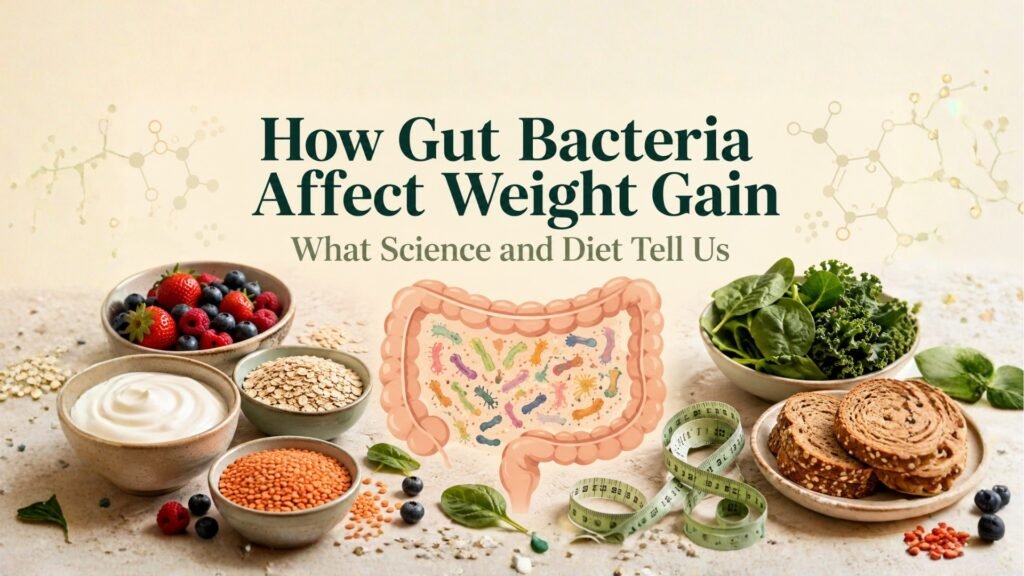
Gut bacteria influence how efficiently calories are extracted from food and how energy is stored or utilized.
A healthy microbiome may support weight regulation by:
Certain bacteria participate in bile acid metabolism and cholesterol regulation, potentially contributing to healthier lipid profiles.
Microbial metabolites influence fat storage, energy expenditure, and adipose tissue function.
Your metabolism may be more "gut-driven" than you think.
Get a personalized nutrition plan based on your actual microbial profile, not generic advice. Get a Diet Consultation
Some gut bacteria help modify bile acids and cholesterol metabolism, supporting cardiovascular health.
Microbial metabolites may improve blood vessel function and influence blood pressure regulation.
Microbial imbalance has been associated with:
These factors collectively increase cardiovascular risk.
The gut microbiome influences skin hydration, immune function, and barrier integrity.
Research has linked gut dysbiosis with:
Although not the sole cause, improving gut health may support skin health in some individuals.
The gut and skin communicate through immune pathways, inflammatory mediators, hormones, and microbial metabolites.
Tried everything for your skin except your gut?
The gut-skin axis is real, talk to our experts about whether your microbiome could be part of the puzzle.
The microbiome influences endocrine function by interacting with hormones involved in metabolism, reproduction, appetite, and stress.
Certain bacteria collectively known as the estrobolome regulate estrogen recycling, influencing hormonal balance in both women and men.
The microbiome interacts with the hypothalamic-pituitary-adrenal (HPA) axis, helping regulate cortisol responses during stress.
Early microbial exposure shapes immune development and lifelong health.
A diverse diet rich in plant foods promotes microbial diversity and healthy immune maturation.
Lifestyle choices become the primary drivers of microbiome composition.
Maintaining microbial diversity may help reduce inflammation, preserve muscle health, and support healthy aging.
Several daily habits influence microbial composition.
A diet rich in plant-based foods supports beneficial bacteria.
Dietary fiber serves as the primary fuel for many beneficial microbes.
Live fermented foods may introduce beneficial microorganisms and increase microbial diversity.
While lifesaving when necessary, antibiotics can reduce beneficial bacteria and temporarily disrupt the microbiome.
Regular exercise has been associated with greater microbial diversity and increased SCFA production.
Poor sleep alters microbial balance and may increase inflammation.
Chronic psychological stress changes gut motility, immunity, and microbial composition.
Pets, gardening, nature exposure, pollution, sanitation, and geography all influence microbial diversity.
Microbial imbalance, known as gut dysbiosis, may result from:
Research has linked gut dysbiosis with numerous conditions, although it is often one contributing factor rather than the sole cause.
These include:
Scientists continue investigating whether microbiome-targeted therapies can improve outcomes in these conditions.
Wondering if any of this applies to you?
A microbiome test can't diagnose disease, but it can reveal patterns worth exploring with a professional. Take the Test →
Examples include:
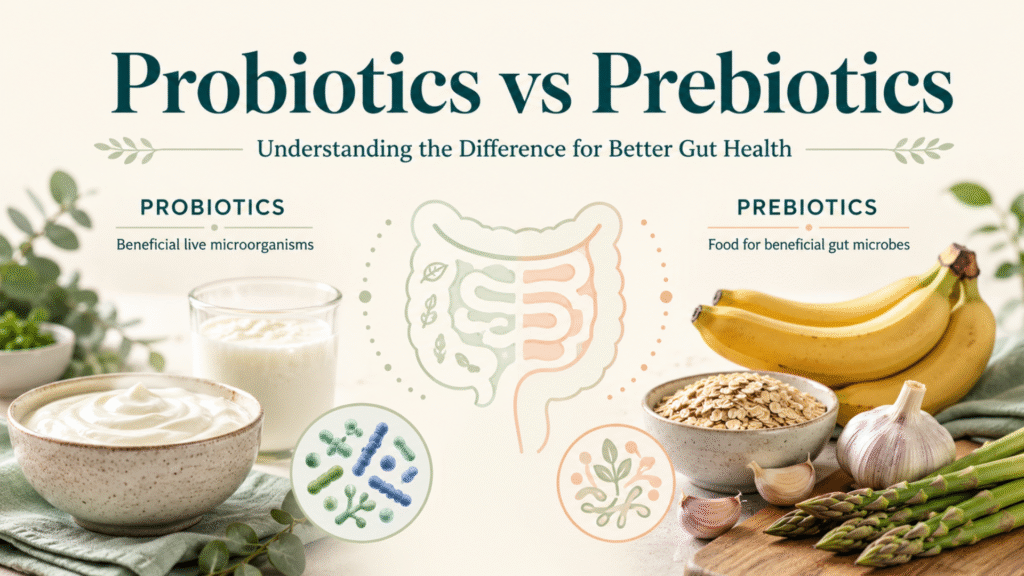
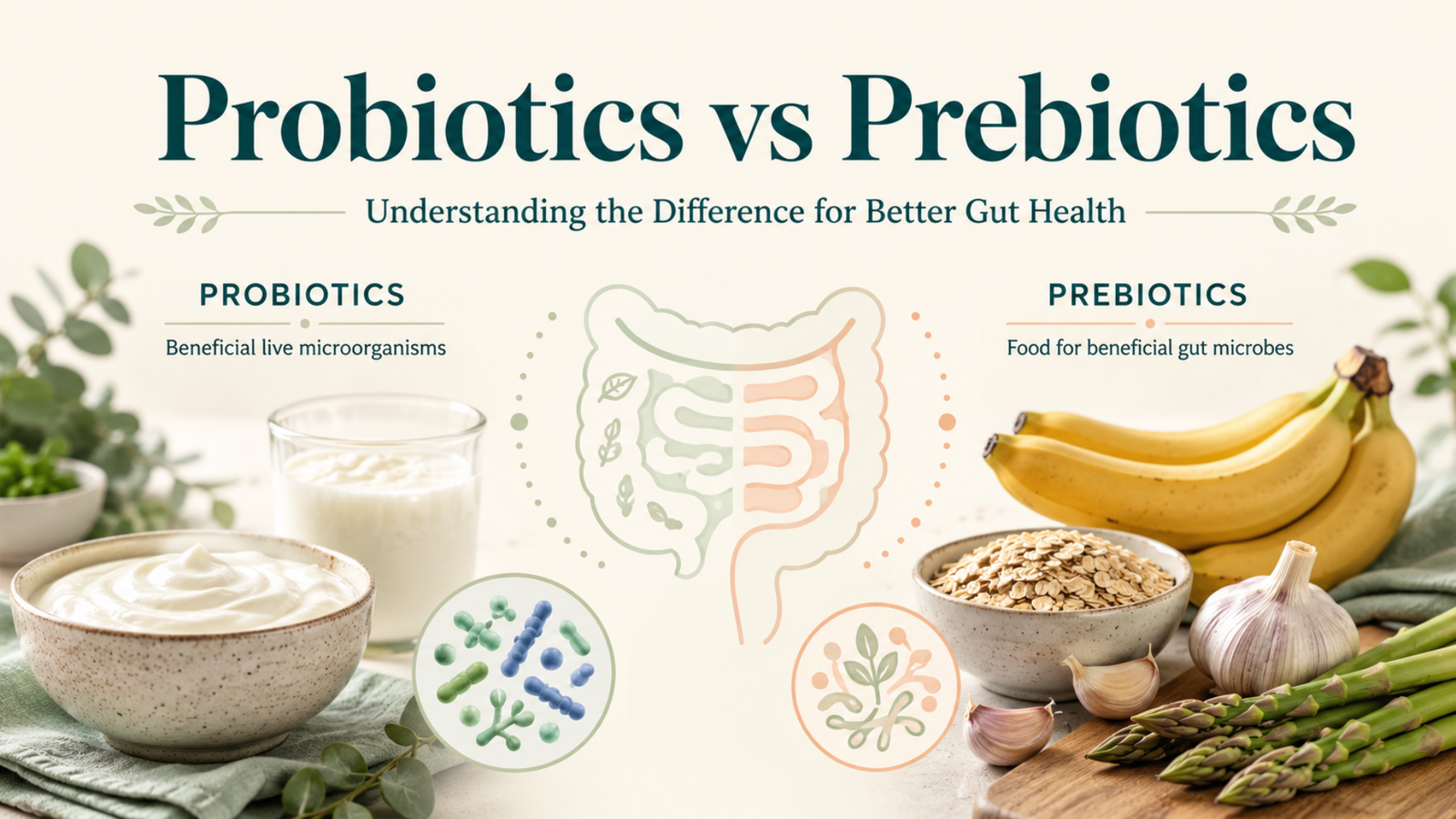
Natural prebiotics nourish beneficial bacteria.
Examples include:
Foods containing live microorganisms include:
Aim to eat a wide variety of colorful produce to maximize microbial diversity.
Whole grains provide resistant starch and dietary fiber that nourish beneficial microbes.
Beans, lentils, chickpeas, and peas are excellent sources of prebiotic fiber and plant protein.
Walnuts, almonds, flaxseeds, chia seeds, and pumpkin seeds contribute fiber, healthy fats, and polyphenols that support microbial health.
Generic food lists only go so far.
Find out exactly which foods your gut needs based on your own microbial data. Explore Personalized Nutrition
Moderate physical activity supports microbial diversity and overall metabolic health.
Adequate fluid intake promotes healthy digestion and regular bowel movements.
Mindfulness, yoga, meditation, breathing exercises, and spending time in nature may positively influence the gut-brain axis.
Aim for consistent, restorative sleep to maintain healthy circadian rhythms and microbial balance.
Eating slowly, chewing thoroughly, and avoiding overeating support efficient digestion.
Reducing foods high in refined sugars, unhealthy fats, and artificial additives supports a healthier microbiome.
Advances in DNA sequencing technologies have revealed previously unknown microbial species and their metabolic functions.
Scientists continue discovering bacteria associated with improved metabolic health, immune regulation, and disease prevention.
The Human Microbiome Project significantly expanded our understanding of the microorganisms inhabiting the human body and established foundational knowledge for microbiome research.
Current research explores microbiome-based interventions including:
Future medicine may increasingly use microbiome profiles to predict disease risk and guide personalized prevention and treatment strategies.
Beyond probiotics: a complete approach to gut health.
The Shatayushi Wellness Program combines testing, personalized nutrition, and lifestyle coaching, because real gut health takes more than a supplement.
Building a healthy microbiome is a gradual process. Consistent dietary and lifestyle habits over months and years are more beneficial than short-term "gut cleanses" or fad diets. A diverse, fiber-rich eating pattern combined with regular physical activity, good sleep, and stress management provides the strongest foundation for long-term microbial health.
The gut microbiome is one of the most remarkable ecosystems within the human body. Far from being passive residents of the intestine, gut bacteria actively participate in digestion, nutrient absorption, immune regulation, metabolism, hormone balance, cardiovascular health, skin health, and communication with the brain.
Scientific evidence increasingly demonstrates that maintaining a diverse and balanced gut microbiome is associated with better overall health and a lower risk of many chronic diseases. Although genetics play a role, daily lifestyle choices—including consuming a diverse, fiber-rich diet, engaging in regular physical activity, getting sufficient sleep, managing stress, and using antibiotics responsibly—have a profound influence on the health of the gut microbiome.
Rather than focusing on a single "superfood" or supplement, long-term consistency remains the most effective strategy. By nurturing the trillions of beneficial microorganisms that live within us, we also support our own lifelong health, resilience, and well-being.
You've learned how gut bacteria shape your health. Now find out about yours.
Get a personalized microbiome report and a science-backed plan to support your gut. Order Your Microbiome Test Today →
Gut bacteria are microorganisms that naturally live in the digestive tract. Most are beneficial and help digest food, produce vitamins, regulate immunity, and maintain intestinal health.
They support digestion, strengthen the immune system, produce beneficial compounds such as short-chain fatty acids, regulate metabolism, protect against pathogens, and communicate with the brain through the gut-brain axis.
Gut bacteria help train immune cells, strengthen the intestinal barrier, compete with harmful microbes, produce antimicrobial substances, and regulate inflammatory responses.
Yes. Through the gut-brain axis, gut microbes produce metabolites and influence neurotransmitters, immune signaling, and hormone regulation, all of which may affect mood, stress responses, and cognitive function.
A diet rich in dietary fiber, legumes, fruits, vegetables, whole grains, nuts, seeds, prebiotic foods, and live fermented foods helps support a diverse and healthy gut microbiome.
Common causes include low-fiber diets, excessive intake of ultra-processed foods, chronic stress, poor sleep, smoking, excessive alcohol intake, repeated antibiotic use, infections, and certain medications.
Yes. Antibiotics can reduce both harmful and beneficial bacteria. While they are essential for treating bacterial infections when medically indicated, unnecessary antibiotic use may temporarily reduce microbial diversity.
Eat a wide variety of fiber-rich plant foods, include prebiotic and fermented foods, exercise regularly, sleep well, manage stress, stay hydrated, and avoid unnecessary antibiotics.
Some changes in the gut microbiome can occur within days of improving diet, but meaningful and lasting improvements in microbial diversity generally require consistent healthy lifestyle habits over several weeks to months.
Not necessarily. Most healthy individuals can support their gut microbiome through a balanced, fiber-rich diet and healthy lifestyle. Probiotic supplements may benefit specific individuals or clinical conditions, but they should ideally be selected based on scientific evidence and individual health needs.
Not sure what your gut actually needs?
Book a free consult and get personalized guidance instead of guesswork.