


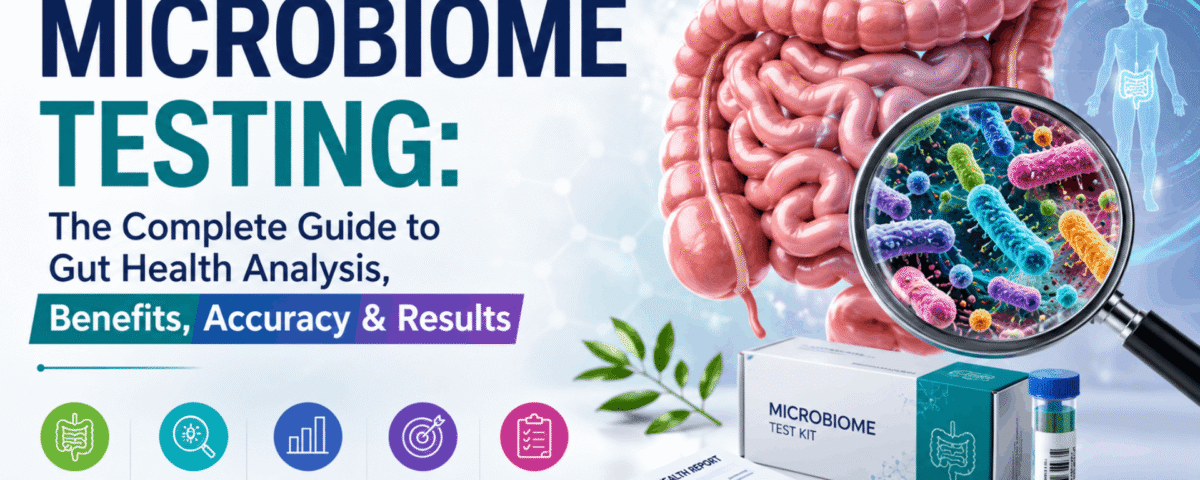
"We are not just human-we are an ecosystem."
For decades, healthcare has focused primarily on the organs we can see and measure: the heart, liver, lungs, kidneys, brain, and pancreas. Yet, one of the most influential "organs" in the human body isn't technically an organ at all. It is a vast community of trillions of microorganisms that quietly shapes nearly every aspect of our health.
This remarkable ecosystem is known as the human microbiome.
Among all the microbial communities that inhabit our body-including those on the skin, in the mouth, lungs, and reproductive tract-the gut microbiome has attracted enormous scientific attention over the past two decades. Advances in DNA sequencing technologies have revealed that the microorganisms living inside our intestines are far more than passive passengers. They actively participate in digestion, produce vitamins, regulate immunity, influence metabolism, communicate with the brain, and even affect how we respond to medications.
Researchers now estimate that the human gut is home to hundreds to thousands of microbial species, containing millions of unique genes-far outnumbering the approximately 20,000 protein-coding genes in the human genome. This immense genetic capacity has led scientists to describe the microbiome as a "forgotten organ" or even a "second genome."
Not surprisingly, interest in gut health has grown dramatically. Terms such as probiotics, prebiotics, gut-brain axis, dysbiosis, and microbiome diversity have entered mainstream conversations. Consumers are increasingly seeking ways to understand the invisible world within them, and one of the most promising tools emerging from this scientific revolution is microbiome testing.
Unlike conventional laboratory tests that measure cholesterol, blood sugar, or liver enzymes, microbiome testing examines the microbial communities living inside your body-particularly your gut. By analyzing microbial DNA from a stool sample, these tests provide insights into the composition and diversity of your gut microbiome.
However, microbiome testing is also one of the most misunderstood areas of modern healthcare.
Can a microbiome test diagnose disease?
How accurate are these tests?
Can they tell you exactly what to eat?
Should everyone get tested?
What does the science actually say?
The answers are more nuanced than many advertisements suggest.
Microbiome science is advancing rapidly, but it is also evolving. While some clinical applications are already well established, others remain active areas of research. Understanding both the strengths and the limitations of microbiome testing is essential for making informed decisions.
In this comprehensive guide, we'll explore:
Whether you're simply curious about your gut health, considering a microbiome test, or looking to better understand this rapidly evolving field, this guide will help you separate scientific evidence from marketing hype.
Because understanding your microbiome is not about finding a single "good" or "bad" bacterium. It's about understanding an entire ecosystem-one that plays a profound role in your health every single day.
Curious what your own gut ecosystem looks like?
You've just read why the microbiome matters, now see what's happening in yours.
Explore Our Gut Microbiome Test →
Imagine standing in the middle of a dense tropical rainforest.
Every tree, insect, fungus, bird, and microorganism contributes to the health of the ecosystem. Remove enough species, and the entire forest begins to lose its resilience.
Your gut functions in much the same way.
Instead of trees and animals, your intestines are home to trillions of microorganisms living in a carefully balanced ecosystem that has co-evolved with humans over millions of years.
This is your gut microbiome.
Far from being harmful, the overwhelming majority of these microorganisms either benefit us or peacefully coexist with us. Only a small proportion has the potential to cause disease, and even these microbes often remain harmless when the ecosystem is balanced.
The gut microbiome begins developing at birth and continues to evolve throughout life. Factors such as birth method, breastfeeding, diet, antibiotics, environment, infections, travel, age, stress, and lifestyle all shape the composition of this microbial community.
Remarkably, no two people have exactly the same microbiome.
Just as fingerprints are unique, each individual's microbial profile is distinct.
The gut microbiome refers to the collection of microorganisms-including bacteria, archaea, fungi, viruses, and other microbes-that live primarily in the large intestine.
Together, these microorganisms form one of the most densely populated ecosystems on Earth.
Scientists estimate that the adult human gut contains approximately 38 trillion microbial cells, roughly comparable to the number of human cells in the body. More importantly, the combined genetic material of these microbes-the microbiome-contains millions of genes, vastly expanding our biological capabilities.
Many of the functions performed by gut microbes cannot be carried out by human cells alone.
This is why researchers increasingly view humans as holobionts: organisms that function in partnership with their resident microorganisms.
Although thousands of microbial species have been identified, most belong to a few major bacterial groups, known as phyla. The most abundant include:
Within these groups are hundreds of individual species, each performing specialized functions.
Some bacteria excel at breaking down dietary fiber.
Others digest resistant starch.
Some manufacture vitamins.
Others produce neurotransmitters or help regulate inflammation.
Rather than focusing on individual bacteria in isolation, scientists increasingly emphasize the importance of the microbiome as an interconnected ecosystem.
A healthy microbiome isn't defined by having "more" of one particular bacterium. Instead, health is associated with balance, diversity, and functional resilience.
The term "good bacteria" is often used in popular media, but it oversimplifies a much more complex reality.
Many microorganisms commonly considered beneficial contribute to health by performing specific metabolic functions.
For example:
These bacteria help ferment dietary fibers, produce acetate, and support gut barrier function. They are among the earliest colonizers of the infant gut and are commonly associated with a healthy microbiome.
Often found in fermented foods, certain Lactobacillus species produce lactic acid and contribute to maintaining an acidic environment that discourages the growth of harmful microbes.
One of the most abundant butyrate-producing bacteria in healthy adults, F. prausnitzii plays an important role in maintaining intestinal health and regulating inflammation.
This fascinating bacterium lives within the mucus layer lining the intestine. Research suggests it may help maintain gut barrier integrity and has been associated with metabolic health, although its role continues to be actively investigated.
Importantly, no bacterium is universally "good" or "bad." The effects of a microorganism depend on the overall microbial ecosystem, host genetics, diet, medications, and health status.
Perhaps the most remarkable aspect of the microbiome is the sheer number of biological processes it influences.
Modern research has linked the gut microbiome to nearly every major organ system.
Many plant fibers and resistant starches cannot be digested by human enzymes.
Instead, gut microbes ferment these compounds into short-chain fatty acids (SCFAs) such as butyrate, acetate, and propionate.
These molecules nourish the cells lining the colon and support digestive health.
Approximately 70% of the body's immune cells are associated with the gastrointestinal tract.
The gut microbiome helps educate the immune system, teaching it to distinguish between harmless substances and genuine threats.
A balanced microbiome contributes to immune tolerance, while disruptions may be associated with excessive inflammation or altered immune responses.
Gut microbes help synthesize certain vitamins, including vitamin K and several B vitamins. They also assist in breaking down complex carbohydrates and enhancing the availability of nutrients from food.
The microbiome influences how efficiently we extract energy from food, regulate blood sugar, metabolize bile acids, and maintain healthy lipid metabolism.
Emerging evidence suggests that microbial metabolites may play important roles in obesity, insulin resistance, and metabolic syndrome.
One of the most exciting areas of research is the gut-brain axis-the bidirectional communication network linking the gut and the central nervous system.
Gut microbes produce and influence compounds such as serotonin precursors, gamma-aminobutyric acid (GABA), and short-chain fatty acids, which may affect mood, cognition, stress responses, and behavior.
While research is ongoing, this field highlights the remarkable interconnectedness of the gut and the brain.
Inflammation is a normal part of immune defense, but chronic low-grade inflammation has been implicated in many non-communicable diseases.
Beneficial gut microbes help maintain the intestinal barrier, produce anti-inflammatory metabolites, and support immune regulation. Conversely, disruptions in the microbiome may contribute to increased intestinal permeability and altered inflammatory responses.
For many years, the digestive system was viewed simply as a long tube responsible for breaking down food and absorbing nutrients. If you didn't have stomach pain, constipation, or acidity, it was easy to assume your gut was healthy.
Today, science tells a very different story.
The gut is not an isolated organ. It communicates continuously with almost every major organ system in the body through an intricate network of nerves, hormones, immune cells, metabolites, and microbial signaling molecules.
Researchers now describe several interconnected communication pathways, including the:
This growing understanding explains why scientists studying seemingly unrelated conditions-from Alzheimer's disease to obesity, infertility, psoriasis, asthma, rheumatoid arthritis, and even athletic performance-are increasingly investigating the gut microbiome.
Let's explore some of the most important ways gut health influences overall wellness.
The most obvious role of the gut microbiome is helping digest foods that human enzymes cannot.
Many complex carbohydrates-including dietary fibers and resistant starches-pass through the small intestine largely undigested. Once they reach the colon, beneficial bacteria ferment them into short-chain fatty acids (SCFAs) such as butyrate, acetate, and propionate.
These metabolites perform several essential functions:
A balanced microbiome also contributes to efficient digestion of certain proteins, fats, and plant compounds, allowing us to extract nutrients that would otherwise remain unavailable.
One of the most fascinating discoveries in modern immunology is the close relationship between the gut microbiome and the immune system.
Approximately 70% of the body's immune cells reside within or around the gastrointestinal tract.
This makes perfect biological sense.
Every day, the digestive system encounters:
The immune system must constantly decide:
Beneficial microbes help train immune cells to make these decisions appropriately.
Without this continuous education, immune responses may become exaggerated or dysregulated.
Scientists are actively investigating the microbiome's role in conditions such as:
Although research continues, maintaining a diverse microbiome appears to support balanced immune function.
Have you ever experienced "butterflies" before an important presentation?
Or lost your appetite during periods of intense stress?
These experiences illustrate that communication between the gut and brain is very real.
Today, researchers recognize the gut-brain axis as one of the most exciting areas of neuroscience and microbiome research.
The gut and brain communicate through several pathways:
Certain gut microbes produce or influence molecules involved in brain function, including:
Emerging research suggests that alterations in the gut microbiome may influence mood, stress resilience, cognition, and emotional well-being. However, it is important to recognize that mental health disorders are complex conditions influenced by genetics, life experiences, environment, and many biological systems-not the microbiome alone.
Many people are surprised to learn that the gut and skin are closely connected.
Growing evidence suggests that gut microbial balance may influence inflammatory skin conditions through immune regulation and metabolic signaling.
Researchers are investigating links between the microbiome and:
Although microbiome-targeted therapies are still being studied, a nutrient-rich, fiber-rich diet that supports gut health may also contribute to healthier skin as part of an overall healthy lifestyle.
The gut microbiome plays an important role in metabolism.
Microbial metabolites influence:
Researchers have identified associations between altered microbial communities and:
However, these conditions arise from multiple interacting factors, including genetics, diet, physical activity, sleep, and environmental influences.
The microbiome is one important piece of a much larger puzzle.
A healthy microbiome does not guarantee freedom from disease.
However, maintaining microbial diversity through healthy lifestyle habits may contribute to long-term wellness.
Research continues to explore associations between the microbiome and numerous chronic conditions, including:
While many of these relationships remain under investigation, the microbiome is increasingly recognized as an important contributor to overall health.
If your gut affects this much, isn't it worth understanding?
From mood to metabolism to skin, your gut could be the missing link. Book a Free Consult with our gut health experts to connect the dots for your specific symptoms.
With growing awareness of gut health, many people are asking an important question:
Can we measure the microbiome?
The answer is yes-but understanding what microbiome testing can and cannot reveal is essential.
Unlike a blood test that measures glucose or cholesterol, microbiome testing examines the DNA of microorganisms living in a biological sample, most commonly stool.
Instead of asking:
"How healthy is my liver?"
Microbiome testing asks:
"Which microorganisms are living in my gut, and what functions might they be capable of performing?"
This represents an entirely different way of thinking about health.
Rather than measuring the human body directly, microbiome testing studies one of our most important biological partners.
The primary goal of microbiome testing is to characterize the microbial ecosystem present in a sample.
Depending on the technology used, testing may provide information about:
Some advanced platforms also estimate:
Importantly, these are functional predictions, not direct measurements of biological activity.
Microbiome testing became possible because of revolutionary advances in DNA sequencing technology.
Traditional microbiology depended largely on growing bacteria in laboratory cultures.
The problem?
Scientists now estimate that more than 70-80% of gut microbes are difficult or impossible to culture using conventional laboratory methods.
DNA sequencing solved this problem.
Instead of growing bacteria, scientists identify them by reading their genetic material.
Every microorganism contains DNA with unique genetic signatures.
By sequencing these genetic markers, researchers can identify microorganisms even if they cannot be cultured.
This approach transformed microbiology.
For the first time, scientists could study entire microbial communities instead of isolated bacterial species.
Most commercial microbiome tests rely on one of two major sequencing approaches.
This is currently one of the most widely used methods for gut microbiome analysis.
The technique focuses on sequencing a specific bacterial gene called the 16S ribosomal RNA gene.
This gene contains:
These unique regions function much like barcodes, allowing scientists to identify bacterial taxa. Advantages
Limitations
Shotgun metagenomics represents the next generation of microbiome analysis.
Instead of sequencing a single gene, this approach sequences all DNA present in the sample.
This includes:
Because much more genetic information is collected, shotgun sequencing provides:
The trade-off is that it is generally more expensive and computationally demanding.
Increasingly, leading microbiome testing providers are adopting shotgun metagenomics because of its broader capabilities.
One of the most commonly reported metrics in microbiome testing is microbial diversity.
Think of diversity like a rainforest.
A rainforest containing hundreds of plant and animal species is generally more resilient than a forest dominated by only a few species.
Similarly, many studies have found that greater gut microbial diversity is associated with better health outcomes.
However, diversity alone does not determine health.
A microbiome must also maintain balance and functional capacity.
Quality matters just as much as quantity.
Imagine trying to understand the biodiversity of an entire rainforest.
Rather than observing a handful of trees, scientists would carefully collect samples, identify every species present, analyze how they interact, and then build a detailed map of the ecosystem.
Microbiome testing follows a remarkably similar approach.
Instead of studying trees and animals, scientists examine the DNA of trillions of microorganisms living within the human body. Sophisticated laboratory techniques and advanced computational tools then transform billions of DNA sequences into a meaningful report that describes your unique microbial ecosystem.
Although the technology behind microbiome testing is complex, the experience for the individual is surprisingly simple.
Let's walk through the process step by step.
The first step is collecting a biological sample.
For gut microbiome testing, this is almost always a stool sample.
Why stool?
Most gut microorganisms reside in the large intestine, and stool provides the most practical, non-invasive way to study them.
Modern home collection kits are designed to make this process simple, hygienic, and convenient.
A typical kit contains:
The stabilizing solution is particularly important because it helps preserve microbial DNA during transportation, reducing changes that might otherwise occur between sample collection and laboratory analysis.
Once the sample reaches the laboratory, scientists isolate microbial DNA.
This is a surprisingly delicate process.
A stool sample contains:
The laboratory must carefully separate microbial genetic material while minimizing contamination.
High-quality DNA extraction is essential because poor extraction can influence downstream analysis and reduce the accuracy of microbial identification.
After DNA extraction, sequencing begins.
Depending on the testing platform, we use:
Shotgun Metagenomic Sequencing
Rather than sequencing one gene, this approach reads millions of DNA fragments from all microorganisms present.
It can identify:
Because much more information is generated, shotgun sequencing provides deeper insights into microbial function and species-level identification.
Increasingly, it is becoming the preferred method for comprehensive microbiome testing
Raw DNA sequences by themselves are essentially enormous strings of letters.
For example:
AGTCCGATCGGAT...
Millions-or even billions-of these sequences are generated during testing.
Interpreting them requires sophisticated computational analysis known as bioinformatics.
This is where artificial intelligence, machine learning, cloud computing, and massive microbial databases become essential.
Scientists compare each DNA fragment against extensive international databases containing known microbial genomes.
The software then determines:
Without bioinformatics, microbiome testing would simply produce meaningless strings of DNA.
This final step is perhaps the most important-and often the most misunderstood.
Microbiome reports are not simply lists of bacteria.
Instead, they attempt to place your microbial ecosystem into biological context.
Depending on the provider, reports may include:
Some providers also compare your microbiome with reference populations from healthy individuals.
However, it's important to remember that "normal" microbiomes vary considerably across populations, diets, age groups, and geographic regions. A microbiome that is typical in rural India may look very different from one in urban Europe or North America.
While the gut microbiome receives the greatest attention, humans host microbial communities across many body sites. Advances in sequencing technologies now allow scientists to study several distinct microbiomes.
This is by far the most common type of microbiome analysis.
It evaluates the microorganisms living in the gastrointestinal tract and is currently the most scientifically developed application of microbiome testing.
It is often used in research and, increasingly, to support personalized nutrition and lifestyle guidance.
The mouth contains more than 700 identified microbial species.
Oral microbiome testing examines the bacteria living on:
Researchers are studying associations between the oral microbiome and:
Human skin is home to billions of microorganisms that vary depending on body site, moisture, temperature, and environment.
Skin microbiome testing is being explored in conditions such as:
Although still largely research-based, this field is expanding rapidly.
The vaginal microbiome plays a vital role in reproductive health.
A healthy vaginal microbiome is typically dominated by Lactobacillus species, which help maintain an acidic environment that discourages harmful microorganisms.
Researchers are investigating its role in:
As evidence grows, vaginal microbiome testing is becoming an increasingly important area of women's health research.
Large-scale research studies often perform extensive microbiome analyses to better understand how microbial communities influence health and disease.
These studies may include:
Such approaches are helping uncover new insights into personalized medicine and disease mechanisms.
Modern microbiome reports evaluate much more than the presence or absence of bacteria.
One of the most important indicators.
A more diverse microbial community is generally associated with greater ecosystem resilience, although diversity alone does not define health.
Reports may include:
These metrics describe different aspects of microbial diversity.
Rather than counting the total number of bacteria, reports usually describe the percentage of different microbial groups.
For example:
Some reports also include species-level information where sequencing resolution permits.
Many reports highlight bacteria commonly associated with healthy microbial ecosystems, such as:
It's important to interpret these findings in the context of the overall microbiome rather than focusing on individual species alone.
Some reports identify microorganisms that may become problematic under certain conditions.
However, their presence does not necessarily indicate disease.
Many opportunistic microbes are found in healthy individuals.
Interpretation depends on:
One of the greatest strengths of shotgun metagenomics is predicting what microbes are capable of doing-not just identifying who is present.
Reports may estimate pathways involved in:
These are computational predictions and should not be interpreted as direct measurements of metabolic activity.
Some laboratories provide indices related to:
Again, these should be viewed as supportive information rather than definitive clinical diagnoses.
One of the reasons microbiome testi ng has generated such excitement is the growing body of research linking alterations in the gut microbiome-often referred to as dysbiosis-with a wide range of health conditions.
Importantly, most of these associations do not prove that changes in the microbiome directly cause disease. In many cases, dysbiosis may contribute to disease, result from disease, or both. Understanding these relationships remains an active area of research.
Studies have identified associations between gut microbial alterations and:
While these associations are compelling, microbiome testing cannot currently diagnose these conditions. Clinical diagnosis must always rely on a combination of symptoms, medical history, physical examination, and appropriate laboratory or imaging studies.
Wondering if any of this applies to you?
A test won't diagnose disease, but it can reveal patterns worth discussing with a professional. Take the Gut Microbiome Test and get a clear, evidence-based starting point.
The excitement surrounding microbiome testing is understandable. For the first time in history, individuals can gain a glimpse into one of the most complex ecosystems in the human body without undergoing invasive procedures.
However, the true value of microbiome testing lies not in finding a "perfect microbiome," but in generating personalized insights that can help guide nutrition, lifestyle, and preventive health strategies.
Let's explore what microbiome testing can realistically offer based on current scientific evidence.
No two microbiomes are identical.
Two people can eat the same meal yet have very different microbial responses. This variability partly explains why one person may thrive on a particular dietary pattern while another experiences digestive discomfort.
Microbiome testing can provide information about:
Rather than prescribing a rigid diet, microbiome-informed nutrition aims to identify patterns that encourage a healthier microbial ecosystem.
For example, if a report suggests lower representation of fiber-fermenting bacteria, increasing the diversity of plant foods, legumes, whole grains, resistant starch, and fermented foods may be recommended.
Importantly, these recommendations should be interpreted alongside a person's medical history, dietary preferences, symptoms, and lifestyle.
Many individuals seek microbiome testing because of digestive symptoms such as:
While microbiome testing cannot diagnose the cause of these symptoms, it may help identify patterns that support personalized dietary interventions.
For example, reduced microbial diversity or lower abundance of butyrate-producing bacteria may encourage clinicians to focus on improving fiber intake, dietary variety, and lifestyle habits.
However, persistent digestive symptoms always require appropriate medical evaluation to rule out underlying conditions such as inflammatory bowel disease, celiac disease, infections, or colorectal cancer.
The microbiome responds not only to food but also to how we live.
Many reports integrate evidence-based lifestyle recommendations related to:
This holistic approach recognizes that the microbiome is shaped by multiple interacting factors.
One of the most promising areas of microbiome science is preventive healthcare.
Although microbiome testing cannot predict future disease with certainty, microbial patterns may provide early clues regarding lifestyle factors that influence long-term health.
For example, reduced microbial diversity has been associated with:
These findings should be interpreted as opportunities for lifestyle improvement rather than disease predictions.
Unlike genetic testing, which generally remains constant throughout life, the microbiome is dynamic.
Dietary changes, exercise, medications, travel, illness, sleep, stress, and aging all influence microbial communities.
For this reason, repeat microbiome testing may be useful for monitoring changes following interventions such as:
The greatest value often comes from observing trends over time rather than relying on a single snapshot.
Ready to get your own personalized insights?
Discover your microbial diversity, functional pathways, and fiber-fermenting capacity, then get a clear, actionable plan built around your results. Order Your Microbiome Test Today →
Despite its enormous promise, microbiome testing is not a crystal ball.
Understanding its limitations is essential for interpreting results responsibly.
Your gut microbiome today may not be identical to your microbiome next month.
Factors influencing microbial composition include:
Consequently, a single microbiome test represents a snapshot in time rather than a permanent profile.
One of the biggest misconceptions is that there is a single "ideal microbiome."
In reality:
Many different microbial ecosystems can support good health.
This makes interpretation considerably more complex than interpreting cholesterol or blood glucose levels.
Microbiome research frequently identifies associations between microbes and diseases.
However, an association does not prove that one causes the other.
For example:
Does obesity alter the microbiome?
Or does the microbiome contribute to obesity?
In many cases, both may be true.
Researchers continue to investigate these complex relationships.
Many reports estimate functions such as:
These are predicted functions based on microbial genes, not direct measurements of metabolic activity.
Actual microbial function depends on:
This point cannot be emphasized enough.
Microbiome testing does not diagnose diseases such as:
It provides biological insights that should always be interpreted alongside:
How Accurate Is Microbiome Testing?
One of the most common questions consumers ask is:
"Can I trust my microbiome results?"
The answer depends on several factors.
Modern sequencing technologies-particularly next-generation sequencing (NGS)-are remarkably accurate for identifying microbial DNA.
Shotgun metagenomic sequencing can identify microorganisms with high taxonomic resolution.
Laboratory accuracy is generally very good when appropriate quality control measures are followed.
The greatest source of uncertainty lies not in sequencing, but in interpretation.
Scientists still do not know the complete significance of every microorganism.
Many microbes have unknown functions.
Others behave differently depending on:
Consequently, reports should be interpreted as evolving scientific information rather than definitive medical diagnoses.
Several factors influence results:
This is one reason why selecting a reputable laboratory is important.
Although both tests analyze stool samples, they serve very different purposes.
|
Feature |
Microbiome Testing |
Conventional Stool Testing |
|
Primary Purpose |
Characterize microbial ecosystem |
Diagnose infections or gastrointestinal disease |
|
Technology |
DNA sequencing (16S or Shotgun Metagenomics) |
Culture, microscopy, PCR, biochemical tests |
|
Measures |
Microbial diversity, bacterial composition, functional pathways |
Pathogens, parasites, blood, inflammation, digestive markers |
|
Typical Clinical Uses |
Personalized nutrition, research, preventive health, microbiome monitoring |
Acute diarrhea, GI bleeding, infections, inflammatory bowel disease evaluation |
|
Can Diagnose Disease? |
No |
Yes, for many infectious and inflammatory conditions |
|
Microbial Diversity |
Yes |
No |
|
Functional Insights |
Yes (predicted) |
Limited |
|
Turnaround Time |
Usually 2-6 weeks |
Often 1-5 days |
|
Clinical Guidelines |
Emerging |
Well-established |
|
Typical Cost |
Moderate to high |
Usually lower |
Both tests are valuable-but they answer different questions.
Not sure which test is right for you? Our team can help you understand what a microbiome test will (and won't) tell you for your specific health goals. Talk to a Gut Health Expert
Proper preparation helps ensure reliable results.
For most microbiome tests, laboratories recommend maintaining your usual diet before sample collection.
Avoid making major dietary changes immediately before testing, as sudden shifts can temporarily alter microbial composition.
Some laboratories may provide specific instructions depending on the testing protocol.
Antibiotics dramatically alter the gut microbiome.
Many laboratories recommend waiting at least 4-8 weeks after completing antibiotics before testing, although recommendations vary.
Always follow your testing provider's guidance.
Some laboratories request temporary discontinuation of probiotic supplements before testing, while others do not.
Again, follow the instructions supplied with your specific testing kit.
To improve sample quality:
Many modern kits contain stabilization solutions that preserve DNA at room temperature for several days.
If refrigeration is recommended, follow the instructions precisely.
Prompt shipping helps maintain sample integrity.
Receiving a microbiome report can be exciting-and overwhelming.
Most reports contain dozens of bacterial names, percentages, charts, and scientific terminology.
The key is understanding the broader picture rather than becoming fixated on individual microbes.
A report is only useful if you know what to do with it.
Get your results explained in plain language, with a personalized action plan. Book a Diet Consultation with our clinical nutritionists.
Most reports begin with measures of diversity.
Higher diversity is generally associated with greater resilience, but diversity alone does not determine health.
A balanced ecosystem is more important than a single numerical score.
Reports often summarize major bacterial groups and highlight dominant genera or species.
These should be interpreted as part of the overall microbial ecosystem rather than in isolation.
Many reports discuss organisms associated with fiber fermentation and short-chain fatty acid production.
Rather than trying to increase one bacterium through supplements alone, focus on creating an environment that supports the growth of many beneficial microbes through a varied, plant-rich diet.
Some reports identify microbial patterns associated with reduced diversity or increased abundance of certain opportunistic organisms.
These findings do not diagnose disease but may highlight opportunities for dietary or lifestyle improvements.
Advanced reports may estimate microbial functions related to:
These are computational predictions that should always be interpreted within the broader clinical context.
One of the most valuable sections of many microbiome reports is the personalized recommendations.
Evidence-based recommendations commonly include:
The greatest improvements usually come from combining multiple healthy habits rather than relying on a single intervention.
One of the most empowering discoveries in microbiome science is that your gut microbiome is not fixed. Unlike your genes, which remain largely unchanged throughout life, your microbiome responds continuously to the choices you make every day.
What you eat, how much you sleep, whether you exercise, your stress levels, medications, travel, and even your interaction with nature all influence the microbial ecosystem living inside you.
While microbiome testing provides valuable insights, the real goal is not simply to obtain a report-it is to use those insights to cultivate a healthier and more resilient microbiome.
Fortunately, many of the most effective strategies are simple, affordable, and supported by decades of nutritional and clinical research.
If there is one nutrient consistently associated with a healthier gut microbiome, it is dietary fiber.
Fiber is often described as food for your gut microbes. Unlike proteins and fats, most dietary fibers escape digestion in the small intestine and reach the colon, where beneficial bacteria ferment them into short-chain fatty acids (SCFAs) such as butyrate, acetate, and propionate.
These compounds help:
Aim for a variety of fiber sources rather than relying on one food.
Excellent sources include:
Traditional fermented foods introduce beneficial microorganisms and provide bioactive compounds produced during fermentation.
Examples include:
Remember that fermented foods work best as part of an overall fiber-rich dietary pattern.
Prebiotics are fibers selectively utilized by beneficial gut bacteria.
Excellent prebiotic foods include:
Rather than buying expensive supplements, many people can obtain substantial amounts of prebiotic fiber through whole foods.
Regular exercise benefits not only the heart and muscles but also the gut microbiome.
Research suggests physically active individuals often exhibit:
Moderate activity such as brisk walking, cycling, swimming, yoga, or strength training performed consistently appears beneficial.
Sleep deprivation influences:
Adults should aim for approximately 7-9 hours of quality sleep each night.
The gut and brain communicate continuously through the gut-brain axis.
Chronic stress can influence:
Helpful practices include:
Antibiotics are life-saving medicines and should never be avoided when medically necessary.
However, unnecessary antibiotic use can substantially alter microbial communities.
Always take antibiotics only when prescribed by a qualified healthcare professional.
Want a done-for-you plan instead of piecing it together yourself?
The Shatayushi Wellness Program combines your test results with personalized nutrition, lifestyle coaching, and ongoing support.
No single food creates a healthy microbiome. Diversity is the key.
The following foods consistently appear in microbiome research because they provide combinations of fiber, resistant starch, polyphenols, probiotics, and prebiotics.
Microbiome testing has become increasingly accessible worldwide.
The most common option.
Users collect a stool sample at home and send it to a laboratory for DNA sequencing.
Advantages include:
Hospitals, universities, and research centers may offer microbiome analysis for research or specialized clinical applications.
Some healthcare providers incorporate microbiome testing into broader functional or precision medicine programs.
These programs typically combine laboratory analysis with professional interpretation.
Pricing varies depending on:
Generally:
In most countries, microbiome testing for wellness purposes is not routinely covered by health insurance because many applications remain outside standard clinical guidelines.
Coverage may evolve as scientific evidence grows.
As consumer interest has grown, many companies now offer microbiome testing.
Not all providers offer the same scientific quality.
Consider the following before selecting a test.
Choose providers that publish:
Prefer companies using:
Reliable laboratories often comply with recognized quality standards such as:
A useful report should provide:
Avoid reports that make unrealistic health claims.
Ideally, results should be interpreted alongside qualified healthcare professionals, registered dietitians, or trained microbiome specialists.
Context matters.
Because microbiome sequencing generates biological data, ensure providers clearly explain:
Companies collaborating with universities, hospitals, or peer-reviewed research programs often demonstrate stronger scientific credibility.
Wondering how our test measures up?
See how our shotgun metagenomic sequencing, lab accreditation, and expert-reviewed reports compare. Learn More About Our Testing Process →
Microbiome research is evolving at an extraordinary pace.
Several exciting developments are likely to shape the next decade.
AI is helping scientists:
Machine learning may eventually help clinicians better understand highly complex microbial ecosystems.
Future nutrition recommendations may increasingly combine:
The goal is truly personalized nutrition.
Researchers are exploring how microbiomes influence responses to:
Eventually, microbiome analysis may become one component of routine precision medicine.
Unlike traditional probiotics, Live Biotherapeutic Products (LBPs) are rigorously developed microbial therapies intended to prevent or treat specific diseases.
Several are currently undergoing clinical trials, and some have already received regulatory approval for specific medical indications.
FMT involves transferring stool from a carefully screened healthy donor into the gastrointestinal tract of a patient to restore microbial balance.
Currently, FMT is an established treatment primarily for recurrent Clostridioides difficile infection that has not responded to standard therapies. Research is ongoing to determine its role in other conditions, but it should only be performed under appropriate medical supervision.
Researchers are developing medications that:
These therapies represent one of the most exciting frontiers in modern medicine.
The human microbiome has fundamentally changed our understanding of health.
We now recognize that we are not simply human beings but complex ecosystems, living in partnership with trillions of microorganisms that influence digestion, immunity, metabolism, brain function, and many other aspects of physiology.
Microbiome testing offers an unprecedented opportunity to explore this hidden world.
Using advanced DNA sequencing technologies, these tests provide valuable information about microbial diversity, community composition, and potential functional capabilities.
However, it is equally important to recognize what microbiome testing cannot currently do.
It cannot diagnose most diseases.
It cannot predict the future with certainty.
And it cannot replace clinical evaluation by qualified healthcare professionals.
Instead, microbiome testing should be viewed as a decision-support tool-one that complements medical history, lifestyle assessment, dietary evaluation, and clinical expertise.
Perhaps the greatest value of microbiome testing lies in its ability to inspire meaningful, personalized lifestyle changes. By understanding how your gut ecosystem responds to diet, physical activity, sleep, stress, and medications, you can make informed choices that support long-term health.
At the same time, it is important to approach microbiome reports with realistic expectations. The science is advancing rapidly, but many questions remain unanswered. As research evolves, today's reports will become increasingly sophisticated, integrating microbiome data with genetics, metabolomics, artificial intelligence, and precision nutrition.
Ultimately, the goal is not to chase a "perfect microbiome" but to cultivate a resilient one-through a varied, fiber-rich diet, regular physical activity, restorative sleep, effective stress management, and thoughtful use of medications.
The future of healthcare is moving toward personalization, and the microbiome is poised to play an increasingly important role in that journey.
Microbiome testing analyzes the DNA of microorganisms in a biological sample-most commonly stool-to characterize the composition and diversity of the gut microbiome.
Microbial DNA is extracted from the sample, sequenced using advanced technologies such as 16S rRNA sequencing or shotgun metagenomic sequencing, and analyzed using bioinformatics to identify microbial communities and their potential functions.
Modern sequencing technologies are highly accurate for identifying microbial DNA. However, interpreting what these findings mean for an individual's health remains an evolving area of research.
Individuals interested in personalized nutrition, gut health, preventive wellness, or understanding how lifestyle influences their microbiome may find testing useful. It can also complement care under the guidance of healthcare professionals.
No. Microbiome testing provides insights into microbial composition and function but does not diagnose medical conditions. Clinical diagnosis should always be based on symptoms, medical history, examination, and appropriate diagnostic tests.
Costs vary depending on the sequencing technology, report complexity, and provider. Shotgun metagenomic sequencing generally costs more than 16S rRNA sequencing due to its greater depth of analysis.
There is no universally recommended interval. Repeat testing may be useful after significant dietary or lifestyle changes, or as advised by a healthcare professional.
For individuals seeking personalized insights into gut health, microbiome testing can be valuable when combined with evidence-based interpretation and practical lifestyle recommendations. Its usefulness depends on the quality of the test, the expertise available to interpret the results, and realistic expectations about what current science can provide.
Still deciding if it's worth it for you?
Book a free 15-minute consult and we'll help you decide, no obligation.
A diverse, plant-rich diet supports microbial diversity. Foods commonly associated with gut health include whole grains, legumes, fruits, vegetables, fermented foods, nuts, seeds, and prebiotic-rich foods such as garlic, onions, green bananas, and oats.
Yes. Antibiotics can significantly alter the gut microbiome. Many testing providers recommend waiting several weeks after completing antibiotic treatment before collecting a sample, though specific guidance varies by laboratory.