

"All disease begins in the gut." This quote, often attributed to Hippocrates, has been repeated for centuries. While modern science tells us that the story is far more complex, researchers today agree on one thing: the gut plays an extraordinary role in shaping our health.
Your digestive tract is much more than a tube that processes food. It is home to one of the most complex ecosystems on Earth-a living community of nearly 100 trillion microorganisms collectively known as the gut microbiome. These bacteria, fungi, viruses, and other microbes work together like a hidden organ, influencing digestion, immunity, metabolism, hormone balance, brain function, and even healthy aging.
Scientists now know that when this microbial ecosystem is diverse and balanced, it supports health in remarkable ways. When it loses diversity-a condition called dysbiosis-the consequences can extend far beyond digestive discomfort. Poor gut health has been linked with obesity, diabetes, allergies, inflammatory bowel disease, cardiovascular disease, depression, autoimmune disorders, and even infertility.
The exciting part? One of the most powerful ways to influence your gut microbiome isn't found in a medicine cabinet. It's found on your plate.
Every meal you eat feeds not only you but also trillions of microbes living inside your intestines. Some foods nourish beneficial bacteria, helping them produce health-promoting compounds. Others starve these microbes or encourage the growth of less desirable species.
Think of your gut microbiome as a thriving rainforest. The greater the variety of plants and animals in a rainforest, the more resilient it becomes. The same is true for your gut. A diverse microbial community is better equipped to defend against disease, digest a wider variety of foods, produce essential nutrients, and regulate inflammation.
Unfortunately, modern diets have drifted far from the foods that helped shape the human microbiome over thousands of years. Ultra-processed foods, excessive sugar, refined grains, repeated antibiotic exposure, poor sleep, chronic stress, and reduced contact with nature have all contributed to a significant decline in microbial diversity.
The good news is that your microbiome is surprisingly adaptable. Even small dietary changes can begin altering microbial composition within days, and consistent healthy eating over weeks and months can create lasting improvements.
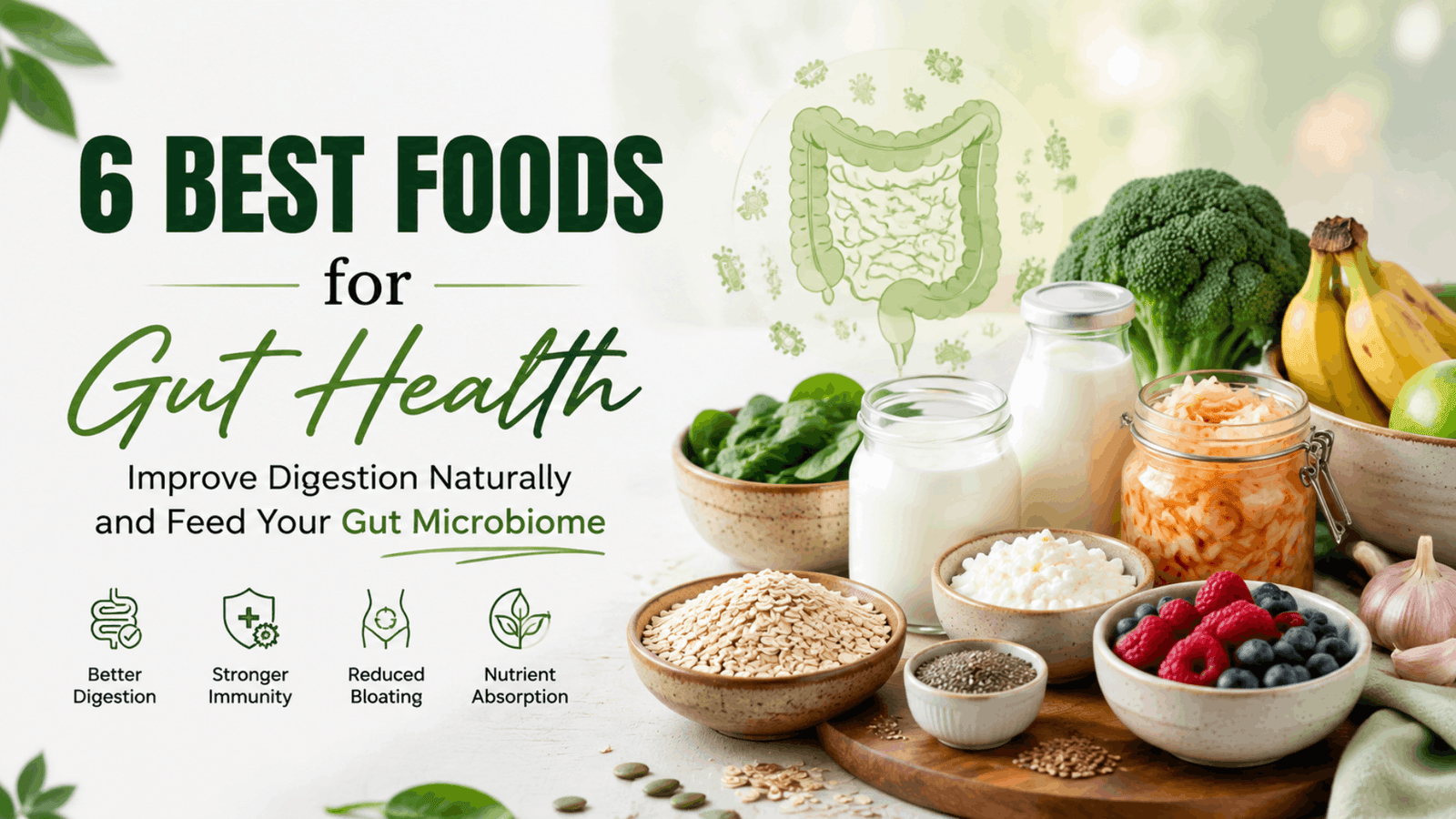
In this article, you'll discover six of the best foods supported by current scientific evidence for improving gut health naturally. These aren't expensive "superfoods" imported from halfway across the world. Most are affordable, familiar, and easily available in Indian kitchens.
More importantly, you'll learn why they work-not just what to eat.
By the end of this guide, you'll understand how these foods nourish beneficial bacteria, improve digestion, strengthen immunity, reduce inflammation, and contribute to long-term wellness.
Because when you feed your microbiome well, you're feeding every system in your body.
Curious what's actually happening inside your gut?
Every microbiome is different, which is why the same "healthy" diet works wonders for one person and does nothing for another. Take a Gut Microbiome Test → and get a real picture of your unique microbial fingerprint.
Before exploring the foods themselves, it's worth understanding what "gut health" actually means.
Many people assume gut health simply refers to not having acidity, constipation, bloating, or stomach pain. While these symptoms certainly matter, gut health goes much deeper.
A healthy gut is one in which the digestive system functions efficiently while maintaining a balanced relationship with trillions of beneficial microorganisms. This balance allows your body to absorb nutrients effectively, defend against harmful microbes, regulate inflammation, and communicate with other organs-including your brain.
Imagine walking through a lush tropical forest. Every tree, insect, bird, fungus, and microorganism plays a role in maintaining the balance of the ecosystem.
Your intestines function in much the same way.
The human gut contains thousands of microbial species. No two people have exactly the same microbiome. In fact, researchers often describe each person's microbiome as a unique microbial fingerprint.
Some bacteria specialize in breaking down dietary fiber.
Others manufacture vitamins such as vitamin K and certain B vitamins.
Some produce neurotransmitters involved in mood regulation.
Others train the immune system to distinguish between friend and foe.
Together, these microbes perform functions that our own bodies cannot accomplish alone.
Scientists increasingly refer to the microbiome as an "invisible organ."
Although these microorganisms weigh only around one to two kilograms collectively, their combined genetic material contains more than 100 times as many genes as the human genome.
This enormous genetic capacity allows gut microbes to produce thousands of bioactive compounds that influence nearly every organ in the body.
Among the most important are short-chain fatty acids (SCFAs) such as:
These compounds are produced when beneficial bacteria ferment dietary fiber.
SCFAs help:
This is one reason why diets rich in plant foods consistently outperform low-fiber diets for long-term health.
One of the strongest findings in microbiome science is that diversity equals resilience.
People who consume a wide variety of plant foods tend to have a more diverse gut microbiome.
Greater diversity has been associated with:
On the other hand, diets dominated by processed foods often reduce microbial diversity.
Imagine planting only one crop across thousands of acres. If disease strikes, the entire field is vulnerable.
Now imagine a dense forest with hundreds of species. It is far more resilient.
Your gut works exactly the same way.
Perhaps the most fascinating discovery of recent years is that the gut constantly communicates with the rest of the body.
Scientists now recognize several communication networks:
Through these networks, microbial metabolites influence organs far beyond the digestive tract.
This helps explain why improving gut health often benefits seemingly unrelated conditions-from eczema to depression, from fatty liver disease to cardiovascular health.
Although laboratory testing provides the most detailed picture, certain symptoms may suggest an imbalance in the gut microbiome:
It's important to remember that these symptoms are not specific to gut dysbiosis and can have many causes. Persistent symptoms should always be evaluated by a qualified healthcare professional.
However, regardless of whether symptoms are present, adopting microbiome-friendly dietary habits benefits nearly everyone.
Recognize a few of these symptoms?
Bloating, fatigue, and brain fog can have many causes — testing takes the guesswork out. Book a Free Consult with our gut health experts to find out what's really going on.
If there is one message that has emerged clearly from two decades of microbiome research, it is this:
Every meal that reaches your intestines is shared with trillions of microorganisms living inside you. Some foods nourish beneficial microbes that produce compounds essential for human health. Others encourage the growth of microbes that may contribute to inflammation or simply fail to provide the nutrients your beneficial bacteria need to thrive.
In many ways, every bite of food is also a vote for the type of microbiome you want to cultivate.
Unlike our genes, which remain relatively fixed throughout life, the gut microbiome is dynamic. It responds remarkably quickly to changes in diet. Studies have shown that significant shifts in microbial composition can occur within 24-72 hours of changing eating patterns. While these rapid changes may not all be permanent, they highlight just how responsive this hidden ecosystem is.
The encouraging news is that you don't need to follow extreme diets or purchase expensive supplements to improve your gut health. Consistently eating a variety of whole, plant-based foods rich in natural fiber can have a profound effect over time.
Imagine trying to care for a beautiful garden.
If you water it regularly, enrich the soil, and plant a diversity of species, the garden flourishes. Birds, butterflies, earthworms, and beneficial insects all become part of a healthy ecosystem.
If you neglect it or repeatedly spray it with chemicals while growing only one crop, biodiversity declines.
The same principle applies inside your intestines.
Foods rich in dietary fiber, resistant starch, polyphenols, and natural plant compounds act as nourishment for beneficial microbes. In return, these microbes reward us by producing compounds that reduce inflammation, strengthen the gut lining, regulate immunity, and even influence brain chemistry.
This mutually beneficial relationship is one of the reasons scientists now refer to humans as holobionts-organisms that live in partnership with their microbial companions.
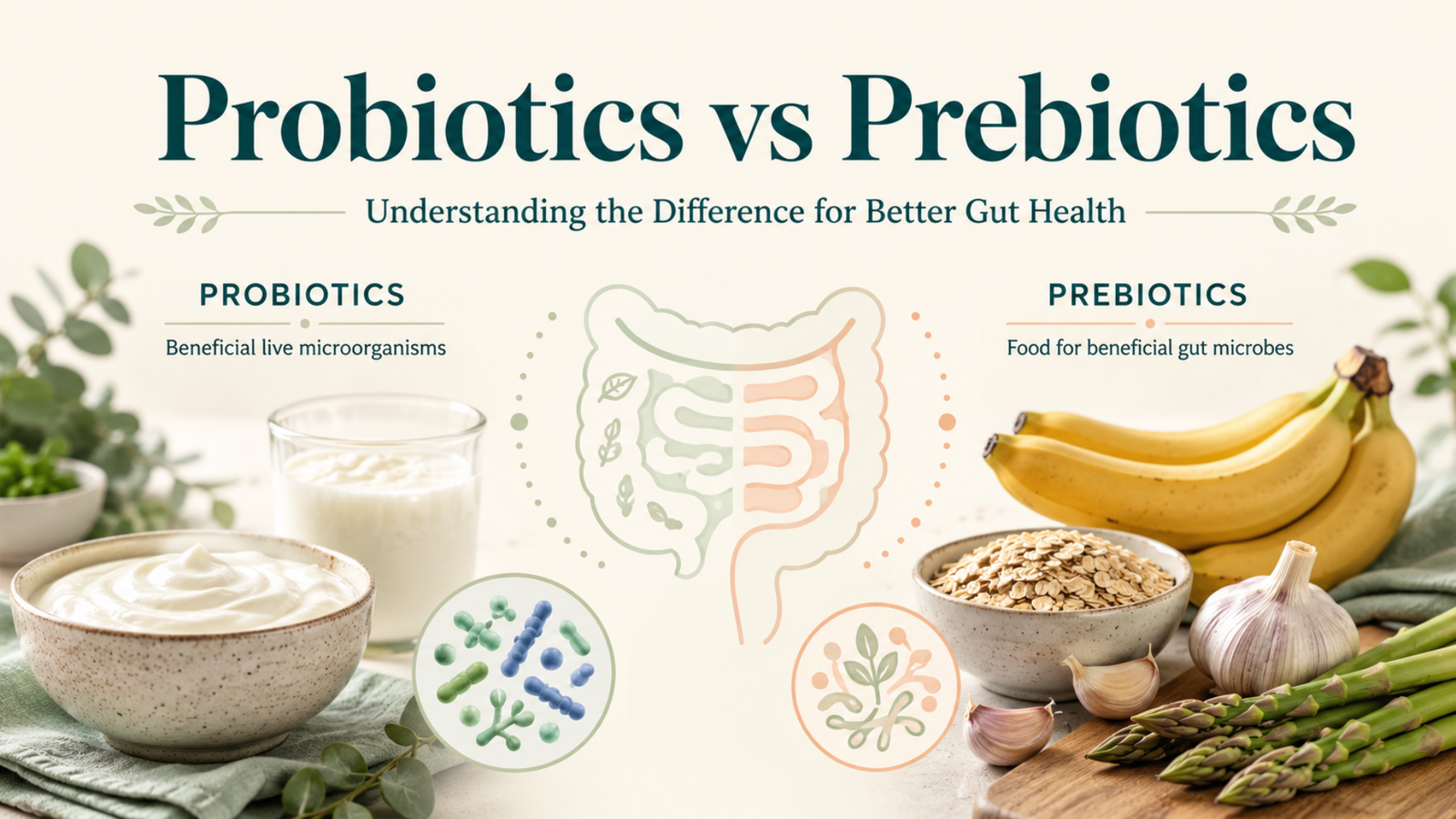
When discussing gut health, the conversation often focuses only on probiotics. In reality, probiotics represent just one part of a much larger picture.

Prebiotics are naturally occurring fibers and carbohydrates that humans cannot digest.
Instead, they travel to the large intestine, where beneficial microbes ferment them into short-chain fatty acids such as butyrate, acetate, and propionate.
Foods naturally rich in prebiotics include:
Rather than introducing new bacteria into the gut, prebiotics feed the beneficial bacteria that are already present.
Think of probiotics as adding fish to a pond, while prebiotics provide the food that allows those fish to survive.
Probiotics are live microorganisms that may provide health benefits when consumed in adequate amounts.
Common probiotic foods include:
However, probiotics do not permanently colonize the gut in most people. Their benefits often depend on continued consumption and, importantly, on whether they receive enough dietary fiber to survive.
This is why nutrition scientists increasingly emphasize "feeding your own microbes" rather than relying solely on supplements.
One of the newest areas of microbiome research focuses on postbiotics.
Postbiotics are the beneficial compounds produced by microbes after they ferment dietary fiber.
These include:
Rather than the bacteria themselves, many scientists now believe these microbial metabolites are responsible for much of the microbiome's influence on health.
Among them, butyrate has received particular attention because it:
The fascinating part?
Your body cannot produce butyrate on its own.
It depends on your gut bacteria-and your diet.
Polyphenols are naturally occurring compounds responsible for the vibrant colors of fruits, vegetables, herbs, spices, tea, and cocoa.
Only a small proportion of these compounds is absorbed in the small intestine.
Most reach the colon, where gut microbes transform them into highly bioactive substances.
Foods rich in polyphenols include:
This two-way relationship is remarkable.
Your microbes help digest polyphenols.
Polyphenols help beneficial microbes flourish.
Want to actually understand your gut, not just read about it?
Our self-paced course Go With Your Gut breaks down the science of prebiotics, probiotics, and postbiotics into simple, practical lessons.
If you could choose just one dietary factor that consistently supports a healthier microbiome, it would almost certainly be dietary fiber.
Unlike proteins, fats, and digestible carbohydrates, fiber largely escapes digestion in the upper gastrointestinal tract.
Instead, it becomes nourishment for microbes living in the colon.
As bacteria ferment fiber, they produce short-chain fatty acids that influence health throughout the body.
Research consistently associates higher fiber intake with:
Yet despite these benefits, most people consume far less fiber than recommended.
The World Health Organization recommends at least 25-30 grams of fiber daily, but many modern diets provide considerably less.
The solution is not fiber supplements alone.
Nature packages fiber together with vitamins, minerals, antioxidants, resistant starch, and thousands of beneficial phytochemicals.
Whole foods remain the gold standard.
One of the most influential microbiome studies in recent years-the American Gut Project-found that people who consumed 30 or more different plant foods every week had significantly greater gut microbial diversity than those eating fewer than 10.
Interestingly, the emphasis wasn't on eating large quantities of one "superfood."
Instead, it was variety that mattered.
Different microbes specialize in digesting different plant compounds.
By eating a rainbow of fruits, vegetables, legumes, whole grains, herbs, spices, nuts, and seeds, you nourish a broader community of microorganisms.
This diversity translates into a more resilient microbiome.
A simple way to achieve this is to think beyond fruits and vegetables. Each of the following counts as a different plant food:
Traditional Indian meals, rich in spices and plant diversity, naturally support this approach.
When most people think of bananas, they picture the sweet yellow fruit commonly eaten for breakfast or after exercise.
However, from a microbiome perspective, green (raw) bananas may offer even greater benefits.
Unlike ripe bananas, green bananas are exceptionally rich in resistant starch-a unique type of carbohydrate that behaves much like dietary fiber.
Instead of being digested in the small intestine, resistant starch reaches the colon intact, where it becomes food for beneficial bacteria.
This fermentation process results in the production of short-chain fatty acids, especially butyrate, which supports intestinal health and reduces inflammation.
For this reason, green bananas are increasingly being recognized as one of the most microbiome-friendly foods available.
Green bananas provide:
Unlike ripe bananas, they contain much less sugar and have a lower glycemic impact.
Research suggests resistant starch from green bananas may:
In tropical countries like India, raw bananas have traditionally been used in curries, steamed dishes, chips (best when not deep-fried), koftas, and flours-long before resistant starch became a topic of scientific interest.
Instead of relying on fried preparations, consider:
Allow cooked bananas to cool before eating occasionally, as cooling can increase resistant starch formation.
An old saying advises us to eat an apple a day.
Modern microbiome science offers an interesting explanation for why this advice may have stood the test of time.
Unlike fruit juices, whole apples contain a remarkable combination of:
Together, these compounds create an ideal environment for beneficial gut bacteria.
Among these, pectin deserves special attention.
Pectin is a soluble fiber that reaches the colon largely undigested, where microbes ferment it into health-promoting short-chain fatty acids.
Apples are also one of the richest dietary sources of polyphenols, which beneficial microbes convert into bioactive compounds associated with reduced inflammation and improved metabolic health.
A medium apple provides:
Most of these valuable compounds are concentrated in the skin.
Whenever possible, eat apples unpeeled after washing them thoroughly.
Regular consumption of whole apples has been associated with:
Unlike fruit juices, whole apples retain their fiber and create a slower release of natural sugars, making them a much better choice for both metabolic and gut health.
One medium-sized apple contains an impressive combination of nutrients that benefit both you and your gut microbes.
One of the biggest advantages of apples is their versatility.
Try them:
A simple tip: Whenever possible, eat apples with their skin after washing them thoroughly. The skin contains a significant proportion of the fruit's fiber and polyphenols.
If there were an award for the most underrated gut-friendly food, oats would undoubtedly be among the top contenders.
Affordable, widely available, and incredibly versatile, oats provide one of the richest dietary sources of beta-glucan, a soluble fiber with well-established benefits for both the gut microbiome and cardiovascular health.
Unlike refined cereals that are rapidly digested, oats provide a slow and steady release of energy while delivering fermentable fibers to the colon.
These fibers become fuel for beneficial bacteria, particularly those involved in producing butyrate and other short-chain fatty acids.
In many households, oats are seen merely as a breakfast food. In reality, they can be incorporated into meals throughout the day, making them an excellent addition to a microbiome-friendly diet.
One cup of cooked oats provides:
Oats also contain avenanthramides, unique antioxidants found almost exclusively in oats that have anti-inflammatory properties.
Research has consistently shown that regular oat consumption can:
Regular oat consumption has been associated with:
These benefits likely result from the combined effects of fiber, microbial metabolites, and plant antioxidants.
Think beyond plain oatmeal.
Try:
Avoid instant flavored oats loaded with sugar. Choose rolled or steel-cut oats whenever possible.
Not sure which foods your gut actually needs?
Everyone's microbiome responds differently to fiber and resistant starch. Get a Personalized Nutrition Plan from our clinical nutritionists based on your unique gut profile.
Long before scientists began discussing resistant starch and microbial diversity, Indian kitchens had already embraced one of the world's most microbiome-friendly food groups: lentils and legumes.
Whether it's moong dal, masoor dal, toor dal, urad dal, chickpeas, rajma, black-eyed peas, or horse gram, pulses have nourished generations across the Indian subcontinent.
These humble foods are nutritional powerhouses.
They combine dietary fiber, resistant starch, protein, vitamins, minerals, and thousands of phytochemicals into a single affordable package.
Today, researchers recognize legumes as one of the strongest dietary predictors of a healthy gut microbiome.
Lentils and chickpeas provide:
Their low glycemic index also makes them excellent for metabolic health.
Traditional Indian cuisine offers countless microbiome-friendly options:
A useful tip: Soaking legumes overnight and allowing them to sprout for 24-48 hours may improve digestibility while increasing certain nutrients and bioactive compounds.
Across India, pulses have long occupied a central place in traditional diets.
Ancient Indian texts emphasized dietary diversity, seasonal eating, and balance. While they did not describe the gut microbiome in modern scientific terms, many traditional practices align remarkably well with today's understanding of microbial health.
Meals combining whole grains, lentils, vegetables, herbs, spices, and fermented foods naturally provide a broad spectrum of fibers and phytochemicals that nourish diverse microbial communities.
Today, microbiome research is helping explain why these dietary patterns have supported human health for centuries.
Rather than viewing traditional eating habits as outdated, modern science increasingly recognizes them as valuable models for promoting microbial diversity and long-term wellness.
While foods like apples, oats, and lentils offer impressive benefits on their own, no single food can "fix" the gut microbiome.
Your microbiome responds to overall dietary patterns, not isolated ingredients.
Think of each meal as adding another brushstroke to a painting. Over time, these small choices create the bigger picture of your health.
A microbiome-friendly plate is one that includes:
This diversity provides different fibers and plant compounds that nourish a wide range of beneficial microbes.
As researchers often say, it's not about eating one superfood-it's about feeding a super ecosystem.
Long before scientists coined the terms probiotics, postbiotics, and microbial diversity, fermentation was already an integral part of traditional diets across India.
Every region developed its own fermented foods-not to improve the microbiome, but to preserve food, enhance flavor, improve digestibility, and increase nutritional value. Today, microbiome research is revealing that these time-tested foods may also help support a healthier gut ecosystem.
Unlike many commercially marketed probiotic products that contain only one or two bacterial strains, traditional fermented foods often contain a diverse community of naturally occurring microorganisms. These microbes interact with the food matrix to produce organic acids, vitamins, enzymes, and bioactive compounds that may support digestive health.
It is important to note that the microbial composition of homemade fermented foods varies depending on ingredients, preparation methods, temperature, and duration of fermentation. While not every fermented food qualifies as a clinically proven probiotic, many provide beneficial microbes and microbial metabolites that contribute to overall gut health.
Traditional fermented foods provide varying amounts of:
Fresh homemade curd remains one of India's simplest and most accessible fermented foods.
Compared to many commercial flavored yogurts that contain added sugars and stabilizers, homemade curd is minimally processed and contains naturally occurring lactic acid bacteria.
Curd can be enjoyed:
Kanji is a traditional North Indian fermented drink made from black carrots (or sometimes beetroots), mustard seeds, water, and salt.
The fermentation process encourages the growth of lactic acid bacteria while producing a pleasantly tangy beverage rich in bioactive compounds.
Its refreshing taste also makes it an excellent alternative to sugary soft drinks.
Popular in Karnataka, Telangana, Andhra Pradesh, and Maharashtra, Ambali is prepared by fermenting finger millet (ragi) or other grains.
Besides supplying beneficial microbes, Ambali contains:
Its combination of fermentation and whole grains makes it particularly microbiome-friendly.
Known by different names across India-Panta Bhat, Pakhala Bhata, Pazhaya Sadam, or Neeragaram-overnight fermented rice has nourished rural communities for generations.
Cooked rice is soaked overnight in water and consumed the following morning, often with curd, onions, green chilies, or pickles.
Fermentation may:
Interestingly, cooling cooked rice also increases its resistant starch content, providing additional nourishment for beneficial gut bacteria
Traditional Indian pickles prepared using salt, spices, and natural fermentation differ significantly from many commercially processed pickles that rely primarily on vinegar and preservatives.
Naturally fermented pickles can contribute beneficial microbes while also supplying polyphenols from spices such as:
However, because they are often high in salt, moderation is advisable.
Regular inclusion of fermented foods may help:
Recent studies also suggest that diets rich in fermented foods may increase microbial diversity and reduce inflammatory markers in healthy adults.
Depending on the food, fermented foods may provide:
Try incorporating:
Rather than relying on a single probiotic supplement, aim to include a variety of naturally fermented foods as part of a balanced diet.
Garlic and onions are often appreciated for the flavor they bring to food, but they are equally remarkable for the nourishment they provide to the gut microbiome.
These everyday kitchen staples are among the richest dietary sources of inulin and fructooligosaccharides (FOS)-types of prebiotic fibers that beneficial bacteria love to ferment.
Unlike probiotics, which introduce microbes into the gut, prebiotics serve as food for the beneficial microbes already living there.
This distinction is important because feeding your existing microbial community may be just as valuable as introducing new bacteria.
Garlic and onions contain:
Research suggests that garlic and onions may:
Simple ideas include:
Some of the prebiotic fibers are better preserved when garlic and onions are lightly cooked rather than heavily fried.
While adding beneficial foods is important, reducing foods that disrupt the gut microbiome is equally essential.
Highly processed foods are often low in fiber and rich in refined starches, unhealthy fats, emulsifiers, and additives. Diets dominated by ultra-processed foods have been associated with reduced microbial diversity and increased inflammation.
Examples include:
A diet high in added sugars may encourage the growth of less desirable microbes while reducing populations of beneficial bacteria.
Choose whole fruits instead of sugary desserts whenever possible.
Frequent consumption of fried foods can promote inflammation and negatively affect metabolic health, which may indirectly influence the gut microbiome
Some studies suggest that certain artificial sweeteners may alter gut microbial composition and affect glucose metabolism in susceptible individuals. While research is still evolving, moderation is a sensible approach.
Heavy alcohol consumption damages the intestinal barrier, alters microbial composition, and increases intestinal permeability.
If consumed at all, alcohol should be limited.
Perhaps the greatest threat to the microbiome is not one specific food but a lack of variety.
Eating the same few foods every day limits the range of nutrients available to different microbial species.
Aim to consume at least 30 different plant foods each week, including:
Every different plant counts.
Even turmeric, coriander, cumin, curry leaves, and sesame seeds contribute to plant diversity.
Undo the damage of processed foods and past antibiotic use.
Our Personalized Probiotics are matched to your gut's specific gaps, not a generic one-size-fits-all capsule.
Food forms the foundation of gut health, but your microbiome is also shaped by your daily habits. Think of your gut microbes as lifelong companions that respond not only to what you eat, but also to how you live.
The simplest and most effective habit is to include fiber-rich foods at every meal.
Fill your plate with vegetables, fruits, legumes, whole grains, nuts, and seeds. The goal is not perfection but consistency. Small improvements, maintained over time, have a far greater impact than short-lived dietary extremes.
Water is essential for digestion and helps dietary fiber do its job effectively. Adequate hydration supports healthy bowel movements and contributes to the overall function of the digestive tract.
As a general guide, most adults benefit from drinking sufficient water throughout the day, adjusting intake based on climate, activity level, and individual health needs.
Regular physical activity doesn't just strengthen muscles and improve cardiovascular fitness-it also benefits the gut microbiome.
Research suggests that exercise is associated with greater microbial diversity and increased production of beneficial short-chain fatty acids. You don't need intense workouts to see benefits. Brisk walking, yoga, cycling, swimming, and strength training can all contribute to a healthier gut.
Poor sleep has been linked to alterations in the gut microbiome, increased inflammation, and metabolic disturbances.
Aim for 7-9 hours of good-quality sleep each night. Maintaining a consistent sleep schedule and limiting screen time before bed can help improve sleep quality.
The gut and brain communicate continuously through the gut-brain axis. Chronic stress can alter gut motility, increase intestinal permeability, and influence the composition of the gut microbiome.
Simple practices such as meditation, deep breathing, spending time in nature, mindfulness, and connecting with family and friends can support both mental well-being and gut health.
Antibiotics have saved millions of lives and remain essential for treating bacterial infections. However, unnecessary or inappropriate antibiotic use can significantly disrupt the gut microbiome by reducing beneficial bacteria along with harmful ones.
Take antibiotics only when prescribed by a qualified healthcare professional, and always complete the prescribed course. If antibiotics are needed, discuss dietary strategies and, where appropriate, the role of probiotics or fermented foods during recovery.
Emerging research suggests that regular interaction with natural environments may expose us to a wider range of environmental microorganisms. Gardening, walking in parks, and spending time in green spaces may help support microbial diversity, although this area of research is still evolving.
Food is only one piece of the puzzle.
The Shatayushi Wellness Program combines personalized diet, stress management, and daily microbiome coaching, so gut health becomes a lifestyle, not a checklist.
Your gut microbiome is one of the most fascinating discoveries in modern medicine. It is no longer viewed simply as a collection of bacteria living in the intestines, but as an active partner in maintaining human health.
Every meal you eat influences this microbial ecosystem. Some foods nourish beneficial bacteria, allowing them to produce compounds that strengthen your gut barrier, regulate immunity, reduce inflammation, and support metabolic health. Other foods do little to sustain this complex community-or may even contribute to its imbalance.
The six foods highlighted in this article demonstrate that supporting your microbiome doesn't require expensive supplements or imported "superfoods." Instead, the most effective choices are often simple, affordable, and deeply rooted in traditional diets:
However, no single food is a magic solution. The greatest benefits come from eating a diverse range of whole plant foods, minimizing ultra-processed foods, staying physically active, sleeping well, managing stress, and using antibiotics responsibly.
One of the most important lessons from microbiome research is that diversity matters more than perfection. Rather than chasing the latest dietary trend, focus on gradually building a colorful, varied, plant-rich plate. Every different fruit, vegetable, whole grain, herb, spice, nut, seed, and legume contributes to a richer and more resilient microbial ecosystem.
Finally, remember that every person's gut microbiome is unique. Age, genetics, medications, health conditions, geography, lifestyle, and diet all influence the microbial communities we harbor. What works well for one person may not have the same effect in another.
If you experience persistent digestive symptoms, recurrent infections, unexplained fatigue, food intolerances, or other ongoing health concerns, consider consulting a qualified healthcare professional. In some cases, gut microbiome testing may provide additional insights into your microbial composition and help guide personalized nutrition and lifestyle strategies. While microbiome science continues to evolve, personalized approaches are becoming an increasingly important part of preventive and precision healthcare.
Ultimately, nurturing your gut microbiome is an investment in your long-term health. By making thoughtful food choices today, you are helping to cultivate an internal ecosystem that can support digestion, immunity, metabolism, and overall well-being for years to come.
Ready to stop guessing and start knowing?
Discover exactly which bacteria are thriving, or missing, in your gut. Take the Gut Microbiome Test Today → and get a personalized report with actionable, food-first recommendations tailored to you.
1. Which food is best for gut health?
There is no single "best" food for gut health. The strongest scientific evidence supports eating a wide variety of fiber-rich plant foods, including fruits, vegetables, legumes, whole grains, nuts, seeds, and fermented foods. Diversity in your diet promotes diversity in your gut microbiome, which is associated with better overall health.
2. Is yogurt good for gut health every day?
Plain, unsweetened yogurt or homemade curd can be a valuable part of a healthy diet, as they contain live cultures that may support gut health. Choose products without added sugars and pair them with fiber-rich foods such as fruit or oats, since beneficial bacteria also need prebiotic fibers to thrive.
3. Are bananas good for digestion?
Yes. Both ripe and green bananas can support digestive health, although they do so in different ways. Green bananas are particularly rich in resistant starch, which feeds beneficial gut bacteria, while ripe bananas provide soluble fiber that can help maintain regular bowel movements.
4. How long does it take to improve gut health?
Some changes in the gut microbiome can occur within a few days of adopting a healthier diet. However, meaningful and lasting improvements generally require consistent dietary and lifestyle habits over weeks to months. The microbiome is dynamic and responds continuously to your long-term eating patterns.
5. What foods should I avoid for better gut health?
Limit foods that are high in added sugars, refined carbohydrates, and ultra-processed ingredients. Frequent consumption of deep-fried foods, sugary beverages, and excessive alcohol may negatively affect the gut microbiome. Rather than focusing only on restriction, prioritize adding more whole, fiber-rich foods to your diet.
6. Can gut health improve immunity?
The gut plays a central role in immune function, with a large proportion of the body's immune cells associated with the gastrointestinal tract. A healthy, diverse microbiome helps educate the immune system, supports the intestinal barrier, and contributes to immune balance. While maintaining gut health supports immunity, it is only one component of a healthy immune system alongside adequate sleep, exercise, vaccination, and overall nutrition.
7. Are probiotics and prebiotics the same?
No. Probiotics are live microorganisms that may provide health benefits when consumed in adequate amounts. Prebiotics are non-digestible fibers that serve as food for beneficial gut bacteria. Both play complementary roles in supporting a healthy gut microbiome.
8. How much fiber should I eat daily?
Most adults should aim for approximately 25-38 grams of dietary fiber per day, depending on age, sex, and individual health needs. The best sources include vegetables, fruits, legumes, whole grains, nuts, and seeds. Increasing fiber intake gradually while drinking enough water can help minimize digestive discomfort.
This article should be supported by current evidence from leading journals and organizations, including: