
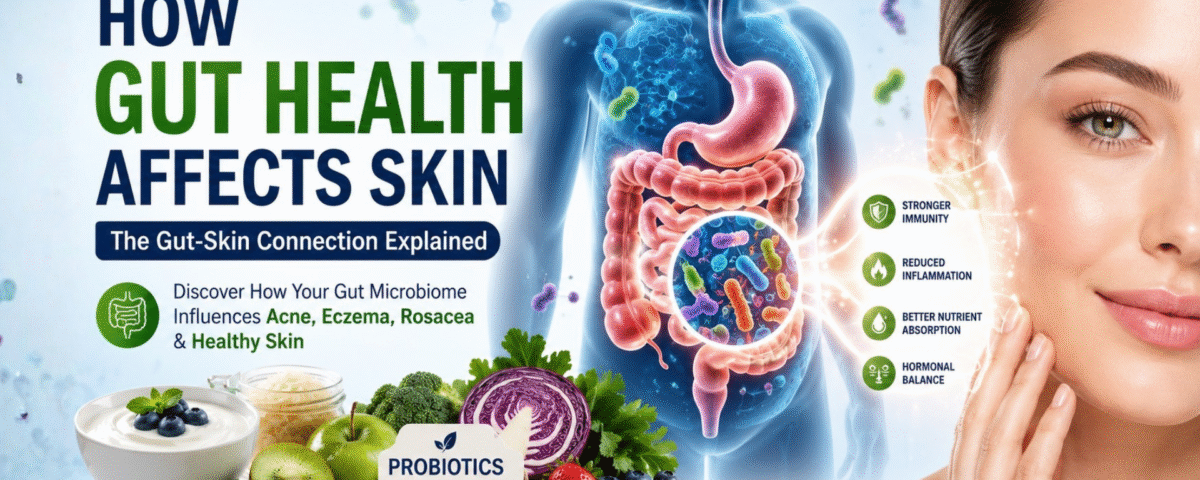
Skin problems like acne, eczema, rosacea, or unexplained breakouts are often treated as purely surface-level issues. But growing research shows that what is happening inside the body-especially in the gut-can have a direct impact on skin health.
This relationship is known as the gut-skin connection, and it is driven largely by the gut microbiome, the community of trillions of microorganisms living in the digestive tract. When this internal ecosystem is balanced, skin tends to look clearer, calmer, and more resilient. When it is disrupted, inflammation often shows up on the skin.
Many people dealing with stubborn skin issues also report bloating, food sensitivities, fatigue, or irregular digestion. These patterns are not coincidental-they often reflect a deeper imbalance between the gut, immune system, and skin.
Understanding how gut health and skin are connected can help shift the focus from short-term symptom control to long-term healing.
The gut-skin connection refers to the biological communication between your digestive system and your skin. These two systems are linked through immunity, inflammation, hormones, and microbial activity.
When the gut is healthy, it helps regulate inflammation and supports a balanced immune response. When it is disturbed, it can trigger systemic inflammation that often shows up on the skin. At the center of this process is the gut microbiome, which influences how the body responds to food, stress, and environmental triggers.
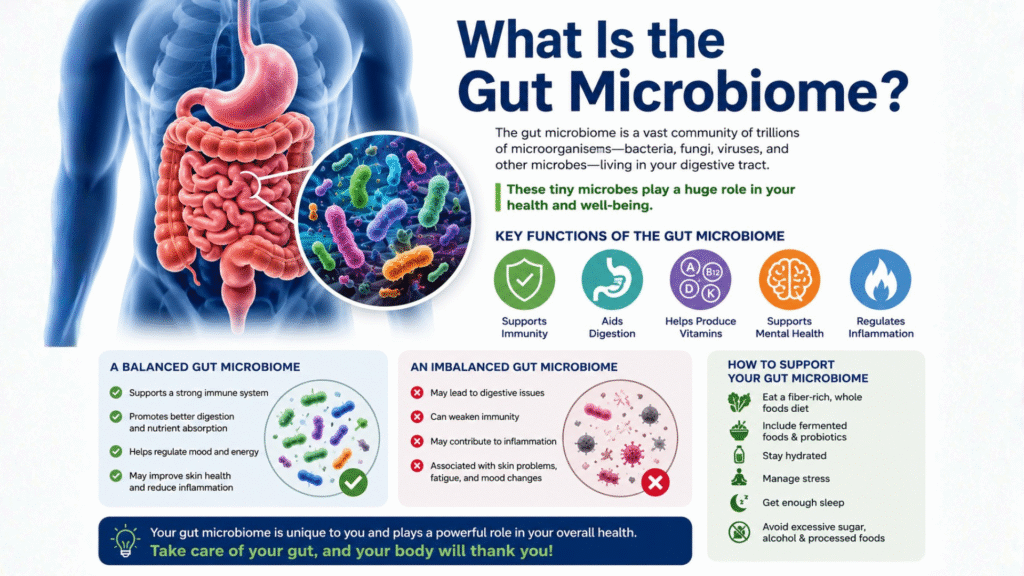
The gut microbiome is a vast ecosystem of bacteria, fungi, and other microbes living in the intestines. These organisms are not just involved in digestion-they also influence immunity, metabolism, and even skin behavior.
A balanced microbiome helps:
When this balance is disrupted, the body may become more prone to inflammation, which can affect the skin barrier and healing processes.
The gut and skin communicate through several pathways:
In simple terms, when the gut is irritated, the skin often reflects that internal imbalance.
When gut health is compromised, it can show up on the skin in multiple ways. The skin often becomes more reactive, inflamed, and less able to repair itself efficiently.
One of the most important links between gut and skin is inflammation. When the gut lining is irritated or imbalanced, it can allow inflammatory compounds to enter circulation more easily.
This may contribute to:
This is sometimes associated with increased intestinal permeability, often referred to as “leaky gut” in simplified terms.
Acne is not just a skin issue-it often has internal triggers. Gut imbalance can influence acne through:
When gut microbes are not balanced, it can indirectly increase oil production and skin reactivity, contributing to breakouts.
Eczema is strongly linked to immune imbalance and inflammation. When the gut microbiome is not functioning well, the immune system may become overactive or misdirected.
This can lead to:
Supporting gut health often helps calm these immune responses over time.
Rosacea is a condition strongly influenced by inflammation and vascular sensitivity. Digestive disturbances and gut imbalance are often reported alongside flare-ups.
Gut-related triggers may include:
When the gut is calm, skin sensitivity often reduces.
Poor gut health can affect how the body absorbs nutrients needed for skin repair and regeneration.
This may contribute to:
Over time, chronic inflammation from the gut can accelerate visible signs of aging.
Skin issues that are connected to gut imbalance often come with other digestive or systemic symptoms.
Gut imbalance usually develops gradually due to lifestyle and environmental factors.
Food plays a key role in supporting both gut balance and skin clarity.
Improving skin often starts with improving internal balance.
Research increasingly suggests that probiotics may support skin health by improving gut balance and reducing inflammation.
Some studies show potential benefits in:
However, results vary depending on the individual and the underlying cause of imbalance. Probiotics are not a standalone solution but can be part of a broader gut-supportive approach.
Professional advice is important when symptoms are persistent or severe.
Seek medical support if you experience:
A combined approach involving both dermatology and gut health assessment may be helpful in complex cases.
1. Can poor gut health cause acne?
Yes. Gut imbalance can contribute to acne through inflammation, hormonal effects, and microbial disruption.
2. Does gut health affect eczema?
Yes. Eczema is strongly linked to immune regulation and inflammation, both of which are influenced by gut health.
3. What foods improve gut and skin health?
Whole plant foods, fermented foods, fiber-rich foods, and omega-3 rich foods support both gut balance and skin clarity.
4. How long does it take to heal the gut?
Improvements may begin within a few weeks, but deeper changes usually take several months of consistent habits.
5. Are probiotics good for skin?
They may help in some cases by reducing inflammation and supporting gut balance, but results depend on individual conditions.
The connection between gut health and skin is becoming increasingly clear. Skin is often a reflection of internal balance, and when the gut is supported, the skin often responds positively. Rather than focusing only on external treatments, supporting digestion, reducing inflammation, and improving lifestyle habits can create long-term improvements in both gut and skin health.