


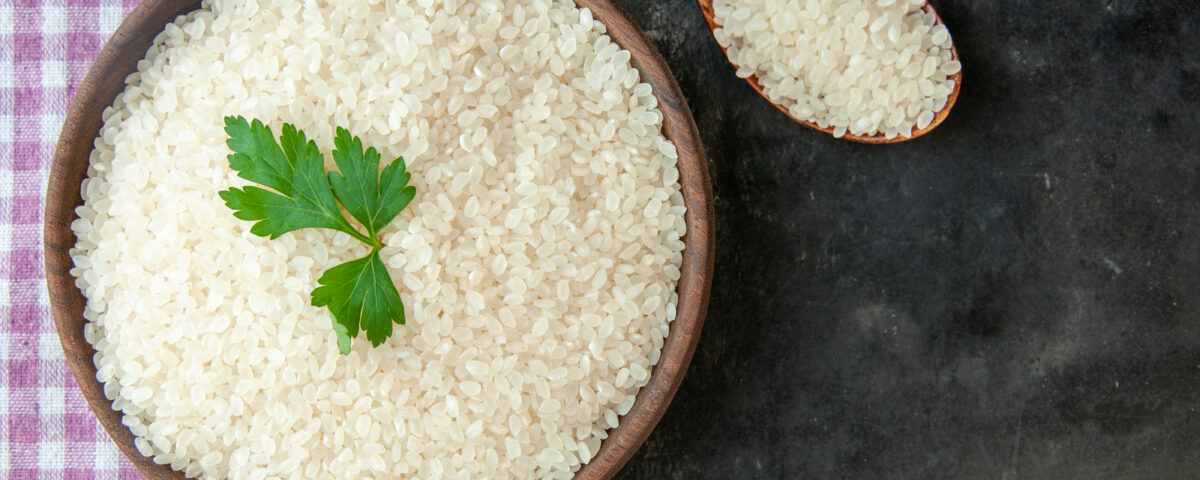
Few traditional foods are as simple, or as widely discussed, as overnight fermented rice. Cooked rice is soaked in water and left to sit for several hours, and by morning it has a tangy aroma and a softer texture. In Tamil Nadu it is called pazhaya sadam, in Odisha pakhala, and panta bhat in Bengal. It is often eaten with onion, green chilli, yogurt, or a side of fried fish or vegetables.
Wellness blogs now call it a natural probiotic, a cooling superfood, and a cure for gut problems. Some of that is overstated. This guide separates what is traditional, what is plausible, and what research actually supports.
It is leftover cooked rice submerged in water, covered, and kept at room temperature for roughly 8 to 12 hours. Some households add a spoonful of the previous day's rice or a little curd to speed things up. Others add salt, curry leaves, or shallots.
The process is a wild fermentation. No starter culture is added deliberately, so the microbes that grow come from the rice, the water, the vessel, the air, and the hands that handle it. This is why two bowls prepared in two kitchens can differ in taste, acidity, and microbial makeup.
Clay pots are traditionally preferred because they stay cooler through evaporation. In hot or humid weather, many people now refrigerate the container, which slows fermentation and lowers risk. The trade-off is a milder flavor.
During soaking, naturally present bacteria and yeasts can multiply. Lab studies of traditional fermented rice preparations in South Asia and elsewhere have identified lactic acid bacteria such as Lactobacillus, Leuconostoc, Weissella, and Pediococcus, along with various yeasts. These organisms produce lactic acid, which lowers the pH and gives the rice its sour taste.
This does not mean every bowl contains beneficial microbes in useful amounts. The microbial community depends on temperature, soaking time, salt, water quality, and what was already on the rice or vessel. The same conditions that support helpful bacteria can also support unwanted ones.
It is also important to be precise about the word "probiotic." Under the widely used definition, a probiotic is a live microorganism that, when given in adequate amounts, provides a health benefit, and that benefit is shown for a specific, identified strain. Fermented rice made at home is not standardized, its strains are rarely identified, and its live counts are unmeasured. The accurate description is that it may contain live fermentation microbes, not that it is a proven probiotic food.
Plain cooked rice is mostly carbohydrate with modest protein and little fat. Soaking and fermenting changes some of its properties:
Overall, the nutritional improvements appear real but modest and variable. Fermented rice is not a replacement for a varied diet with adequate protein, vegetables, and iron-rich foods.
The gut-health claim is the most popular and the least proven. The reasoning is plausible: fermented foods can supply live microbes and fermentation byproducts, and a diet that includes them is associated in some research with greater gut microbial diversity. Rice starch that cools after cooking can also form resistant starch, which colon bacteria ferment.
However, there are no strong human clinical trials showing that eating traditional overnight fermented rice treats constipation, improves digestion, balances the microbiome, or prevents disease. Claims about "cooling the body" or "curing ulcers" come from tradition, not from controlled research. Many people do feel good eating it, and that is a reasonable personal experience, but it is not clinical evidence.
Rice carries a specific risk. It can contain spores of Bacillus cereus, a bacterium that survives cooking. If cooked rice sits at warm temperatures, the spores can germinate and multiply. Some strains produce a heat-stable toxin that causes vomiting, and reheating does not destroy it.
Official food-safety guidance generally advises cooling cooked rice quickly, refrigerating it within about an hour, and eating it within a day. Leaving rice in water at room temperature for 8 to 12 hours departs from that advice. Fermentation lowers acidity, which may suppress some harmful organisms, but there is no guarantee it prevents B. cereus growth or toxin formation, especially in warm climates.
Practical precautions:
To summarize honestly:
Overnight fermented rice is a genuine culinary tradition with a long history, a pleasant tang, and a place in many regional diets. Enjoy it for flavor and culture, prepare it safely, and keep expectations realistic. It is a food, not a probiotic supplement or a treatment. If you have ongoing digestive problems, speak to a doctor or registered dietitian rather than relying on any single food.